The four options in plain words
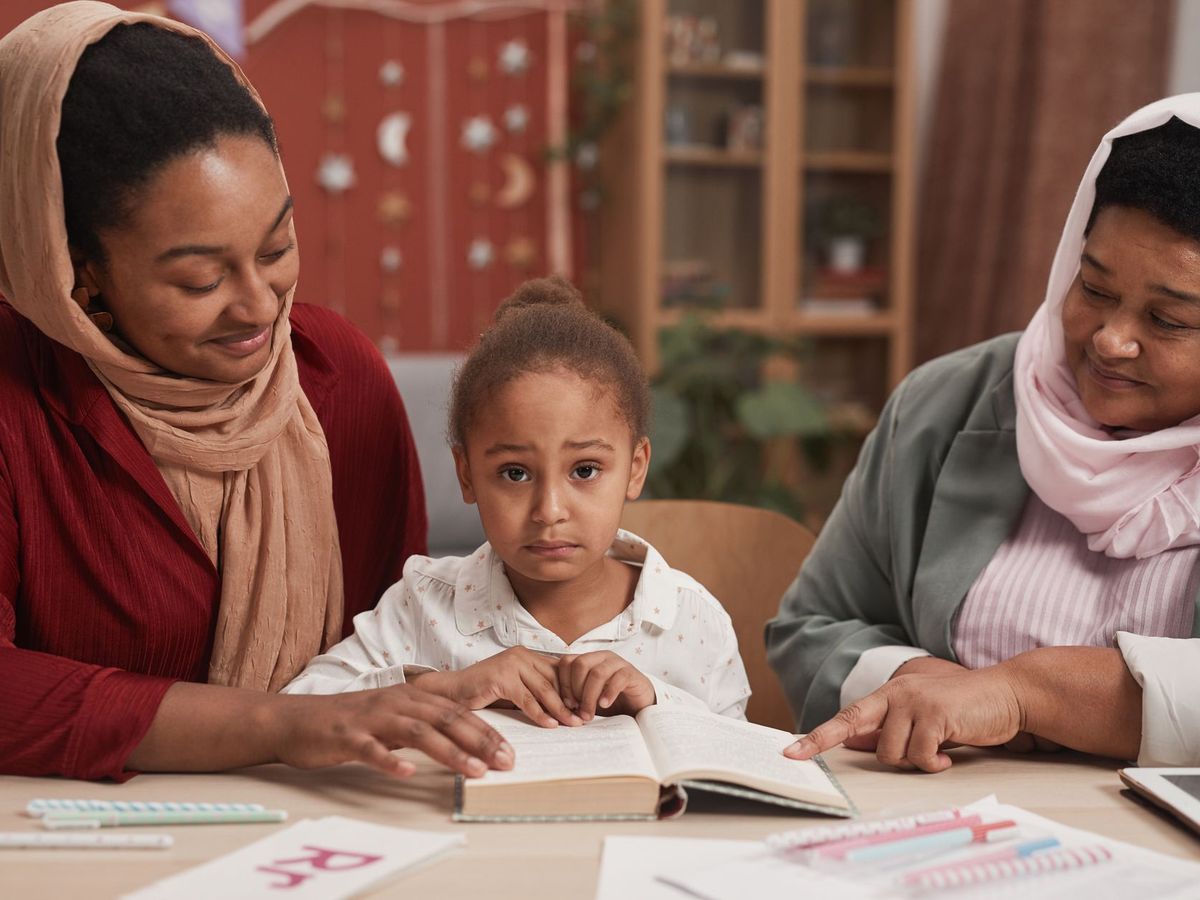
- Homeschooling. A parent, or parents with help, leads the education at home. You choose what to teach and when.
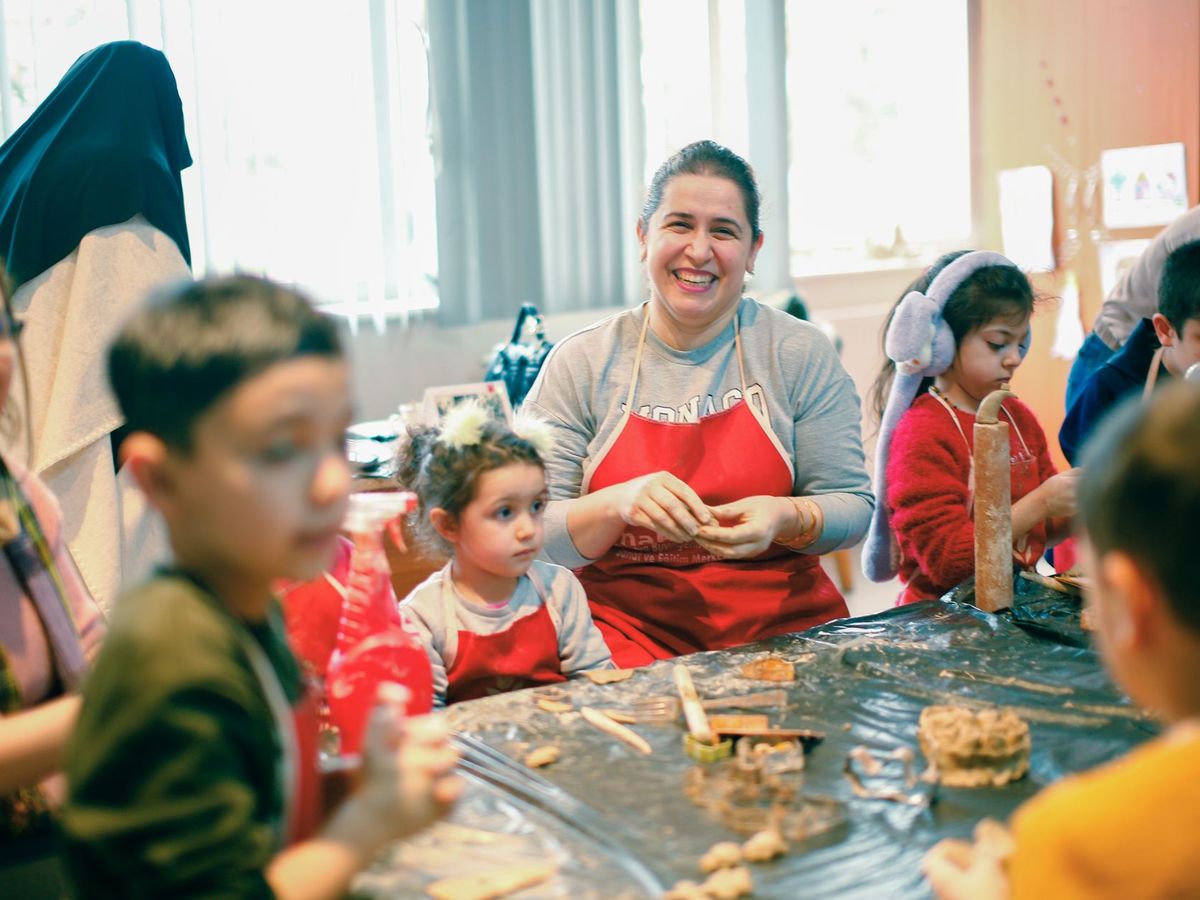
- Full-time Islamic school. A school that teaches the regular subjects together with Islamic studies, Quran and Arabic during the school week.
- Weekend madrasa plus public school. Children attend an ordinary school on weekdays and a masjid or community class for Islamic learning at weekends or after school.
- Online Muslim school. A program delivered online by teachers, usually following a set timetable and curriculum, with Islamic subjects built in.
Which of these are available to you depends on where you live. Some areas have several Islamic schools, others have none. Online options change often, and rules about whether a program counts as a school or as homeschooling vary by place. We do not name specific schools here. Check the school’s own site and your local education authority before relying on any option.
Side-by-side comparison
Costs are shown only in relative terms, because fees differ by place and change from year to year.
| Homeschool | Full-time Islamic school | Weekend madrasa + public school | Online Muslim school | |
|---|---|---|---|---|
| Time (child) | You set it, often shorter days | Full school day plus travel | Full school week, plus weekend classes | Fixed online hours, usually shorter than a school day |
| Time (parent) | Highest: you plan and often teach | Lowest: drop-offs and homework help | Low to medium: homework and weekend runs | Medium: supervision and support at home |
| Cost | Varies from low to high depending on what you buy | Usually the highest of the four | Often the lowest, depending on what the weekday school costs where you live | Usually in the middle, but varies widely |
| Flexibility | Highest: pace, schedule and trips are yours | Lowest: fixed term dates and timetable | Low on weekdays, some choice at weekends | Medium: set lessons, but done from home |
| Islamic content | As much as you choose to plan | Built into the week, depth varies by school | Mostly in weekend classes, usually less time | Built in, depth varies by program |
| Social life | You arrange it through co-ops, masjid and activities | Built in, with a Muslim peer group | Mixed peer group at school, Muslim peers at madrasa | Online classmates, local social life arranged by you |
| Workload on parent | Heavy planning and teaching | Light on teaching | Light to moderate | Moderate |
The table is a general picture. Individual schools and programs differ, so treat it as a guide for the questions to ask, not a ranking.
Homeschooling
Strengths. You decide the pace, the content and the schedule. Prayer, Quran and family life can come first. Children who need more time or more challenge can have it. Travel and family needs are easier to fit in.
Challenges. A parent carries most of the planning and teaching, which affects work and income. Social life takes deliberate effort. You are responsible for finding records, exams or qualifications if your child needs them later. It can be tiring, and your own rest matters.
Often suits families who want close control of what is taught, can arrange a parent’s time, or have a child who is not thriving in a school setting.
Full-time Islamic school
Strengths. Islamic studies, Quran and Arabic are part of the school week. Children are with Muslim peers daily, and there is a community around the school. Parents do not do the teaching.
Challenges. Fees can be a significant cost, and not every area has one within a reasonable distance. Quality and approach vary from school to school, so visit and ask for details. The timetable is fixed. Some schools teach one madhab or one approach. Ask what theirs is.
Often suits families who want daily Islamic content and community, and prefer the school to do most of the teaching.
Weekend madrasa plus public school
Strengths. Cost is often low, and children keep a regular school routine. Many families value the mix: children meet a wide range of people and still learn their deen in a dedicated class.
Challenges. Islamic learning gets fewer hours than in the other options, so progress with Quran or Arabic can be slow without home practice. Weekends fill up. Your child spends the weekday in an environment you do not control, so you will want to think about how to support their values at home. Programs vary widely in quality.
Often suits families who want a regular school education with a firm Islamic base at home and at the masjid.

Online Muslim school
Strengths. Teachers and a set program are provided, so the parent’s load is lighter than in homeschooling. Learning happens from home, which can help families who live far from an Islamic school.

Challenges. Screen time is part of every day. Classmates are remote, so you will still need to arrange in-person friendships. Fees and rules vary. Before enrolling, check what the program offers on its own website, whether it is accepted by your local education authority, and what happens if you leave.
Often suits families who want a ready-made Islamic program without a local school, and can supervise a child learning on a screen.
How to decide: six questions
Answer these honestly, with your spouse or co-parent.
- How many hours can an adult give each day, and for how long? Be realistic about work and other children.
- What can we spend, month by month, without strain?
- What do we want most: Islamic depth, academic strength, social breadth, flexibility or a calm home?
- What is on offer where we live? Visit schools and groups before deciding.
- What does each child need? Siblings may need different things.
- What happens if it does not work? Find out how to switch before you start.
Questions to ask when you visit a school or program
Whichever school or program you consider, ask the same things and compare the answers in writing.
- What is taught each week, and how many hours are for Quran, Arabic and Islamic studies?
- Who teaches, and what training or experience do they have?
- How are children grouped, and how large are the classes?
- How does the school or program handle behavior, bullying and safety?
- What are the fees, what do they cover and what extra costs come up?
- What do the school day or the online timetable look like, including prayer?
- What happens at the end: what exams or records does the child leave with?
- Can we speak to current parents, and sit in on a lesson?
Ask a homeschooling family the same practical questions about their week. A clear, honest answer is a better sign than a polished brochure.
A middle path: mix and change
You do not have to choose one forever. Common mixes include:
- Homeschooling with a weekly co-op day (see how to find or start a Muslim homeschool co-op).
- A regular school plus a weekend madrasa, then homeschooling for one subject such as Arabic.
- Homeschooling for primary years and a school later, or the other way around.
- Different options for different children in the same family.
Review each year. Children change, and so do work and money.
If you lean toward homeschooling
Start with the how to start guide and check your local law first. For curriculum options, see the Islamic homeschool curriculum comparison. Whichever way you lean, visit schools and groups in person before you decide.
Common questions
Is homeschooling better than an Islamic school?
Neither is better in every case. The right choice depends on your child, your family's time and money, what is available nearby, and what you want the day to look like.
Can my child attend a weekend madrasa and a regular school?
Yes, many families do this. Weekend programs vary in what they teach and how much time they ask for, so visit before you commit.
Are online Muslim schools the same as homeschooling?
Not exactly. An online school usually provides teachers and a set program, so the parent's role is different. Legal status also varies by place, so check with your local education authority.
Can we switch between options?
Often yes. Many families move between options as children grow and circumstances change. Check enrollment and withdrawal rules for each.