How homeschooling works in Australia
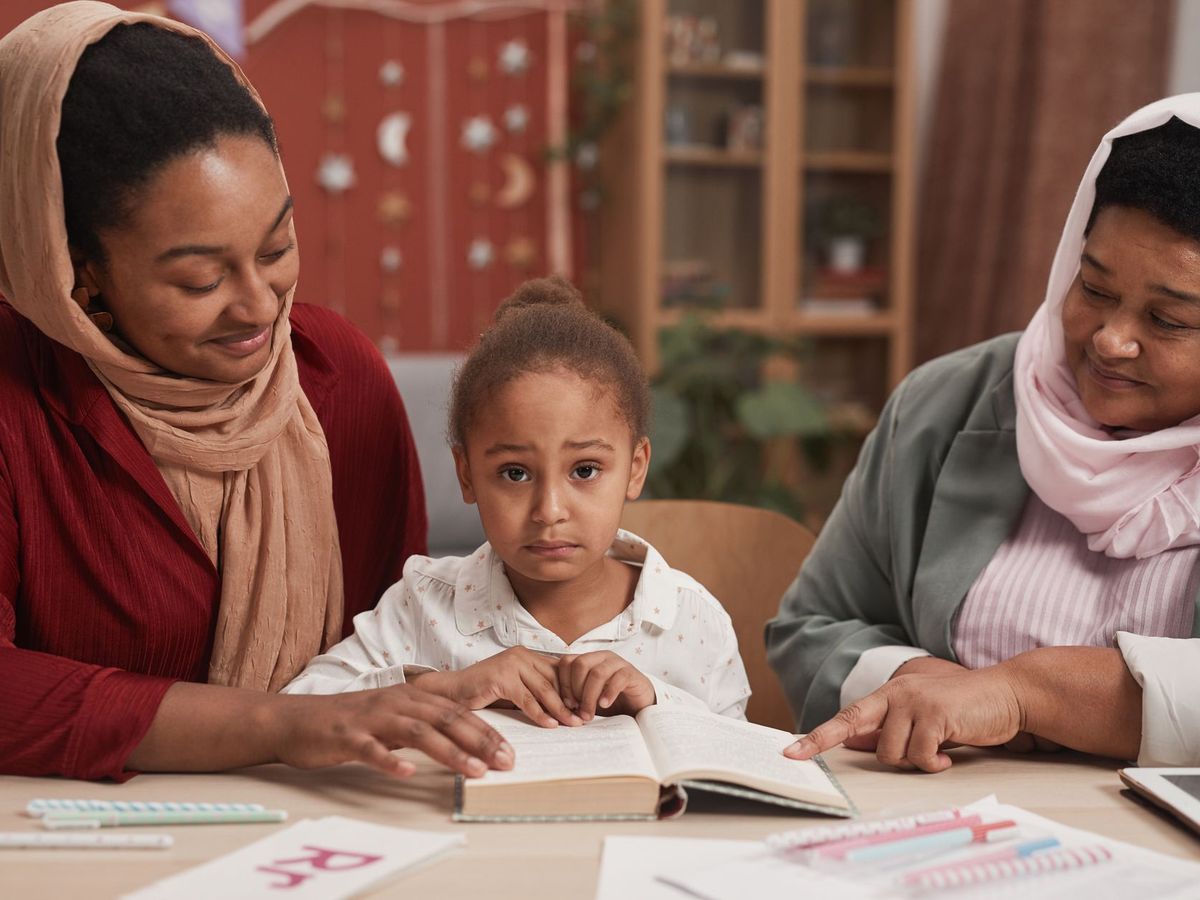
Homeschooling, usually called “home education” or “home schooling” on government sites, means a parent takes responsibility for the child’s education at home. South Australia’s page states the weight of it clearly: “When applying for home education, you accept overall responsibility for your child’s education.”
Each state runs its own system. Victoria uses a registration body, the VRQA. New South Wales has a home schooling directorate inside its Department of Education. Queensland has a dedicated unit, Queensland Home Education. Western Australia handles it through its Department of Education. South Australia handles it as an application to the Department for Education. A family that moves from one state to another has to deal with a different office and different forms.
Ask three questions on any state’s page:
- Who registers or approves me, and how do I apply?
- What do I have to show: a plan, a report, a home visit?
- What do I do about my child’s current school place?

What five states ask of homeschooling parents
This table follows each state’s own official page, read on 2026-11-14. It shows the main step, not every duty. Your state or territory may not be here. If not, search its education department for “home education” or “home schooling.”

| State | What a parent must do | Contact and official page |
|---|---|---|
| Victoria | ”If you home educate your child in Victoria you must register them with VRQA.” If your child is between 6 and 17 years old, you can register for home education with the VRQA. | Victorian Registration and Qualifications Authority; VRQA Home education |
| New South Wales | ”To be home schooled, a child must be registered by the NSW Department of Education, and reside in NSW.” The Department “regulates home schooling and registers eligible children.” | NSW Department of Education home schooling team; NSW Home schooling |
| Queensland | Lodge an application in the approved form with Queensland Home Education (QHE). Once lodged, you are “provisionally registered and can begin home educating” until QHE decides. A child cannot be enrolled at school and registered for home education at the same time. | Queensland Home Education; Queensland registration |
| Western Australia | ”The Department of Education manages the registration of home educators, the evaluation of home education programs and children’s educational progress in accordance with the School Education Act 1999.” | Department of Education (WA); WA Home Education Policy |
| South Australia | ”In South Australia you can apply to home educate your child during their compulsory school years (6 to 17 years).” Start by filling out an initial request form on the state page. | Contact details are on the official page; SA.GOV.AU Home education |
Points worth reading closely:
Victoria. The page uses the word “must” for registration. The age range it states is 6 to 17.
New South Wales. The page notes that the Department has drafted new registration policy and procedures, that consultation closed on 10 August 2026, and that the current “Guidelines for home schooling registration in NSW remain in effect until the new policy is finalised.” That is a good example of why you should check the page on the day you apply.
Queensland. The page describes a short temporary option: “a temporary registration of 60 days without submitting an educational program or annual report.” If your child is at school now, the page says to “talk with the principal about your decision to end their enrolment.”
Western Australia. The policy is written for department staff, so use it to see who does what, and use the department’s home education pages to apply.
South Australia. The page lists what you must provide: a suitable education program that meets the goals of the Australian Curriculum (or similar), appropriate resources, a suitable learning environment, and opportunities for social interaction.
Steps to take
- Find your state in the table and open its official page.
- Note the form, the office and any date or age limit.
- If your child is enrolled at school, talk with the school and the state office about timing before you end the enrolment. Queensland’s page says enrolment must end before registration.
- Prepare the educational program or plan your state asks for. Queensland describes an educational program summary, and South Australia describes a program with strategies to monitor progress.
- Submit the application and keep a dated copy.
- Put any renewal, report or review dates in a calendar.
Our guide on how to start homeschooling covers what comes next.
Islamic studies alongside state requirements
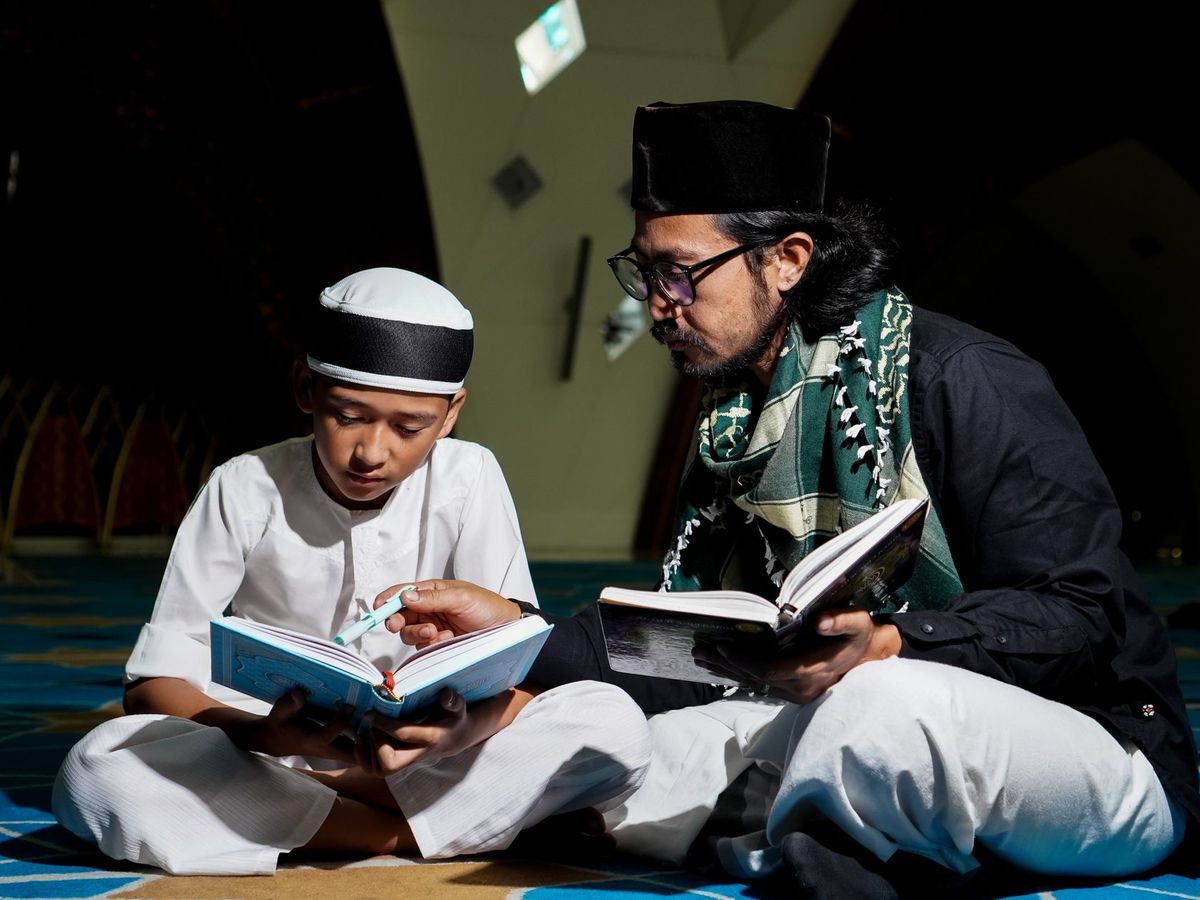
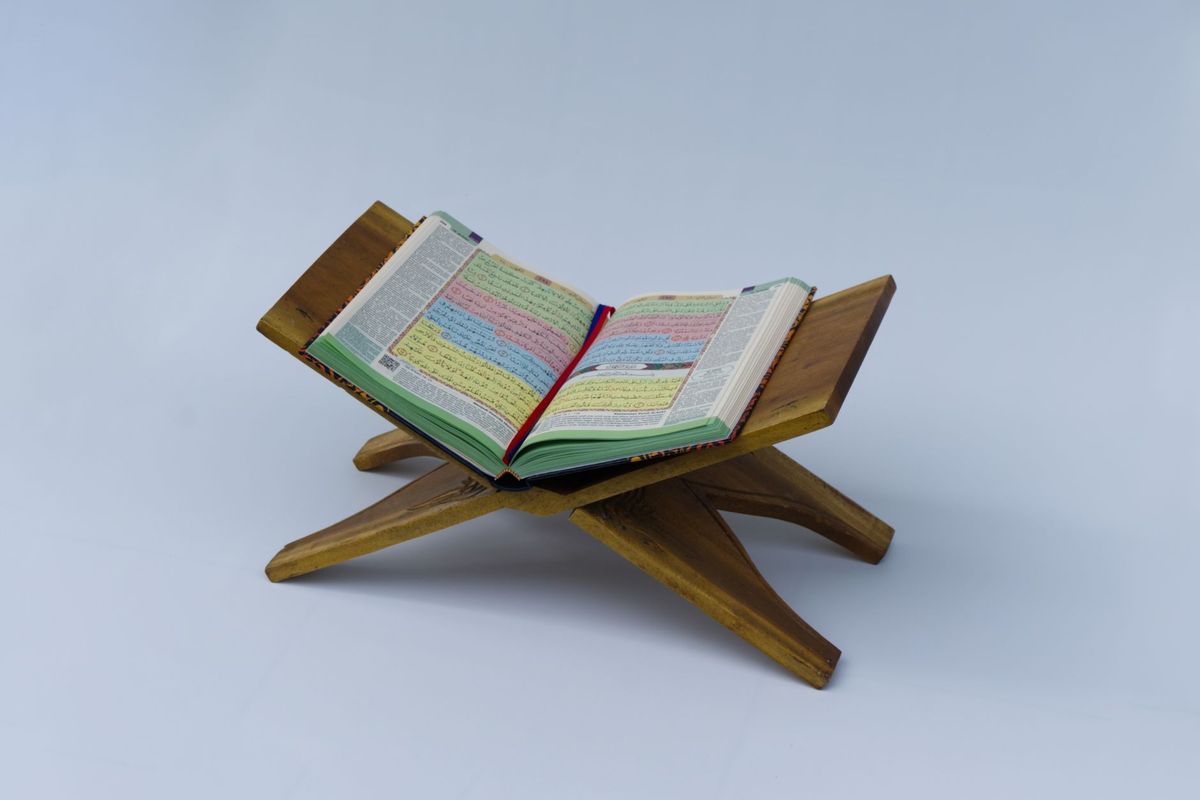
Many Muslim families want Quran, Arabic and Islamic studies to be part of the daily plan, not an afterthought. Because Australian states ask for an educational program, you can include them openly.
- Write Islamic studies into your program. Where your state asks for a plan or summary, list Quran reading and memorization, Arabic, seerah and fiqh basics as subjects with goals.
- Keep records of both strands. A weekly log with date, subject and activity works in any state.
- Plan around prayers. The daily routine guide shows how to build lessons around the five prayers.
- Find company. Co-ops let children learn with other Muslim children and share teaching. See Muslim homeschool co-ops.
On the religious question itself, scholars differ, and we do not issue rulings. As one attributed view, Darul Ifta Australia, in an answer by Mufti Faizal Riza from 2012 and republished on islamqa.org, said “Home schooling is another viable and good option.” Read is homeschooling allowed in Islam for other named views.
Questions to ask the state office
A short call or email to the office named in the table often saves weeks. Before you apply, consider asking:
- Which form do I use, and is it online or on paper?
- Does my child’s age fall inside the range your page gives?
- What should my educational program or plan include, and how long should it be?
- Will someone review the program, and how often?
- What do I do if we move house or my child returns to school?
Write down the date, the name of the person you spoke with and what they said. If an answer differs from the official page, ask them to point you to the page or document that says so.
Records to keep
Keep these in every state, whether or not you are asked to show them:
- A copy of every application, form and approval or registration notice, with dates.
- Your educational program or plan for each year.
- A short weekly log: date, subject, what you did.
- Samples of work, reading lists, and notes on progress.
- Any report, review or home visit notes your state asks for.
Keep one paper folder and one digital backup.
Before you rely on this page
Rules change, and each state office can answer questions about your case. Confirm the current form and requirement on the official page before you act. If your situation involves a custody order, a move between states or a child with a disability, ask the state office or a qualified education lawyer. This page is general information, not legal advice.
Common questions
Do I need to register to homeschool in Australia?
In the states on this page, yes: parents apply to register or to be approved. Victoria registers with the VRQA, New South Wales with its Department of Education, Queensland with Queensland Home Education, Western Australia with its Department of Education, and South Australia through the Department for Education.
Is there one national rule?
Each state and territory sets its own home education rules, as the pages below show, so start with your own state's official page.
Can my child stay enrolled at school while registered for home education?
In Queensland, no: a child cannot be enrolled at school and registered for home education at the same time. Check your own state's page.
Is home schooling acceptable in Islam?
Scholars give attributed views. Darul Ifta Australia, in a 2012 answer by Mufti Faizal Riza, said home schooling is another viable and good option. See our page on the question for other named views.
Where can I meet other Muslim homeschooling families?
See our page on Muslim homeschool co-ops, and ask at your local masjid.
- Victorian Registration and Qualifications Authority: Home education
- NSW Department of Education: Home schooling
- Queensland Government: Registering for home education
- Western Australia Department of Education: Home Education Policy
- SA.GOV.AU: Home education
- Darul Ifta Australia via islamqa.org: Sending children to public schools