How homeschooling works in Canada
Homeschooling means a parent takes responsibility for the child’s education at home, outside a public or independent school. In Canada, each province has its own education law and its own office. That is why a friend in Ontario and a friend in Quebec can give you completely different advice, and both can be right for their province.
Manitoba’s page puts the basic idea plainly: “Homeschooling is when parents choose to be responsible for their child’s education and not have their child attend a public or independent school,” and “Provincial funding is not available to families who homeschool.” British Columbia’s page says homeschooling programs are not supervised by a B.C.-certified teacher, not required to meet provincial standards, and not inspected by the Ministry. Treat each of these as province-specific facts, not national ones.
Ask three questions of any province’s page:
- Who do I notify or register with, and by when?
- Are there plans, reports or meetings each year?
- What happens if my child is in school now?
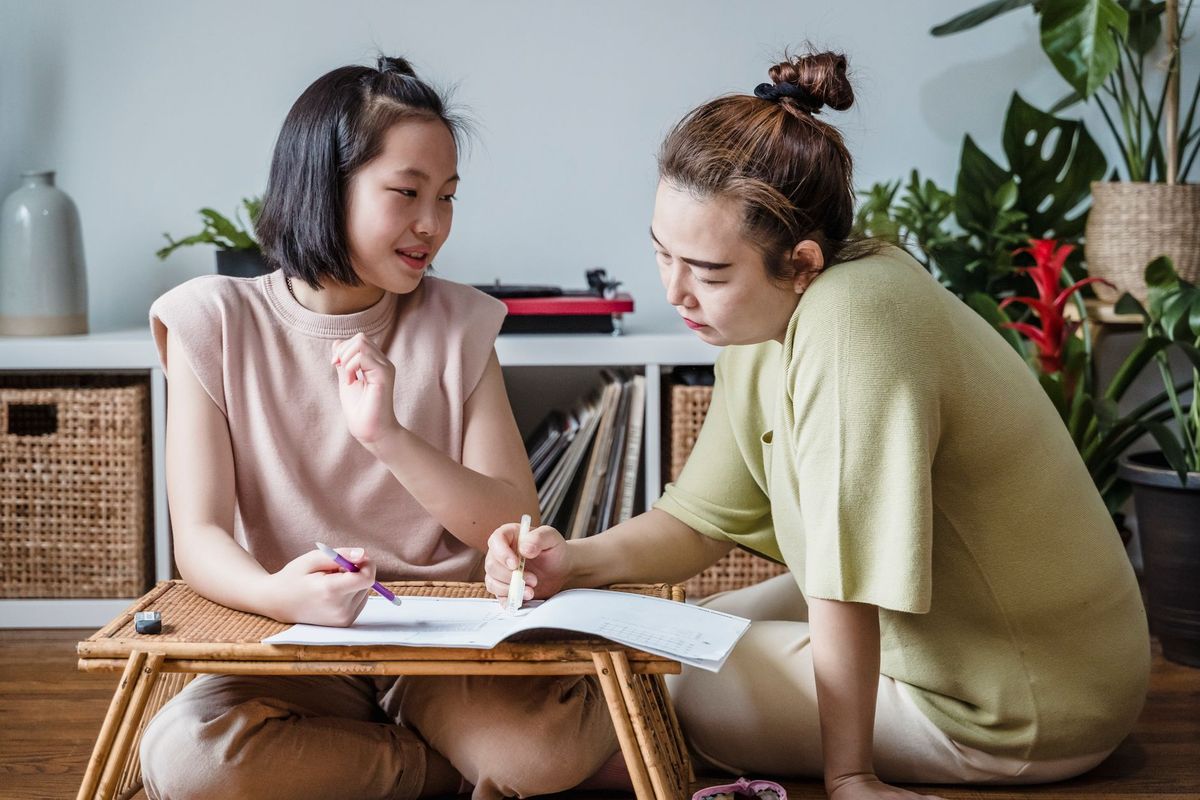
What six provinces ask of homeschooling parents
This table follows each province’s own official page, read on 2026-11-14. It shows the main step, not every duty. Your province may not be listed. If so, search your provincial education ministry’s website for “homeschooling.”
| Province | What a parent must do | Contact and official page |
|---|---|---|
| Ontario | ”Parents who decide to provide home schooling for their child(ren) should notify the school board of their intent in writing,” with each child’s name, gender and date of birth, and the home’s phone number and address. | Your school board; Ontario PPM 131 |
| Alberta | ”Each year, parents have the responsibility to notify their supervising school authority of their intent to home educate their child” using the Home Education Notification Form. | Your supervising school authority, or the Minister of Education if unsupervised; Alberta Home education |
| British Columbia | ”Parent/guardian(s) who choose to homeschool must register their child by September 30 of each year.” Registration is done by contacting a B.C. school: public school principals register homeschoolers, and independent schools may decide whether they do. | A public school district office or an independent school; B.C. Homeschooling |

| Province | What a parent must do | Contact and official page |
|---|---|---|
| Quebec | ”You must submit a written annual notice of intent” to the Direction de l’enseignement à la maison of the Ministère de l’Éducation nationale. The notice is due “no later than July 1, or within 10 days of the last day on which your child last attended school.” Parents also submit a learning project, a status report and two progress reports each year. | Direction de l’enseignement à la maison; Quebec homeschooling steps |
| Manitoba | ”Parents complete and submit homeschool forms online.” A Student Notification Form is due every year on September 1 (the page lists July 1 as when it opens), with progress reports due January 31 and June 30. | Homeschooling Office, Manitoba Education and Early Childhood Learning; Manitoba Homeschooling |
| Nova Scotia | Complete the Home Schooling Registration Form for the school year, with a separate form for each student, and submit it by mail or by the secure online form. | Regional Education Services, Department of Education and Early Childhood Development; Nova Scotia forms |
Some details are worth reading closely.
Ontario. The memorandum asks parents to notify “in writing.” Keep a dated copy of your letter and note how you delivered it.
Alberta. Alberta asks for notice every year: to a supervising school authority (funded), or to the Minister of Education if you choose not to be supervised (not funded). Put the date on your calendar.
British Columbia. The B.C. page says “making it necessary for homeschooled children to be registered,” and the school you register with has no authority to approve or supervise your educational program. Public school principals must offer, free of charge, evaluation services and the loan of resource materials, and you are free to accept or reject them.
Quebec. Quebec asks for more documents than the others on this page, including a learning project and progress reports. The page also says parents and the child attend a monitoring meeting and that the child must fulfill the obligation to take ministerial evaluations. Read the whole process page before you start.
Manitoba. As of September 2025, the page says compulsory school age is from 6 to 18, and parents “must now register their child for school or notify for homeschool in September of the calendar year in which a child turns 6.” When families notify, they are connected with a Liaison Officer.
Nova Scotia. The registration form asks for a birth certificate copy for children entering grade primary or new to the provincial system.
Steps to take
- Find your province in the table and open its official page.
- Write down the form, the deadline, and where to send it.
- If your child is in school now, tell the school you plan to homeschool, and ask your province’s office whether anything else is needed before you withdraw.
- Submit the notice or registration. Keep a copy and proof of delivery.
- Add the yearly dates, including any progress report dates, to a calendar.
- Start a records folder: forms sent, a list of subjects, a weekly log, work samples.
Our guide on how to start homeschooling covers what to do in the first weeks.
Islamic studies alongside provincial requirements
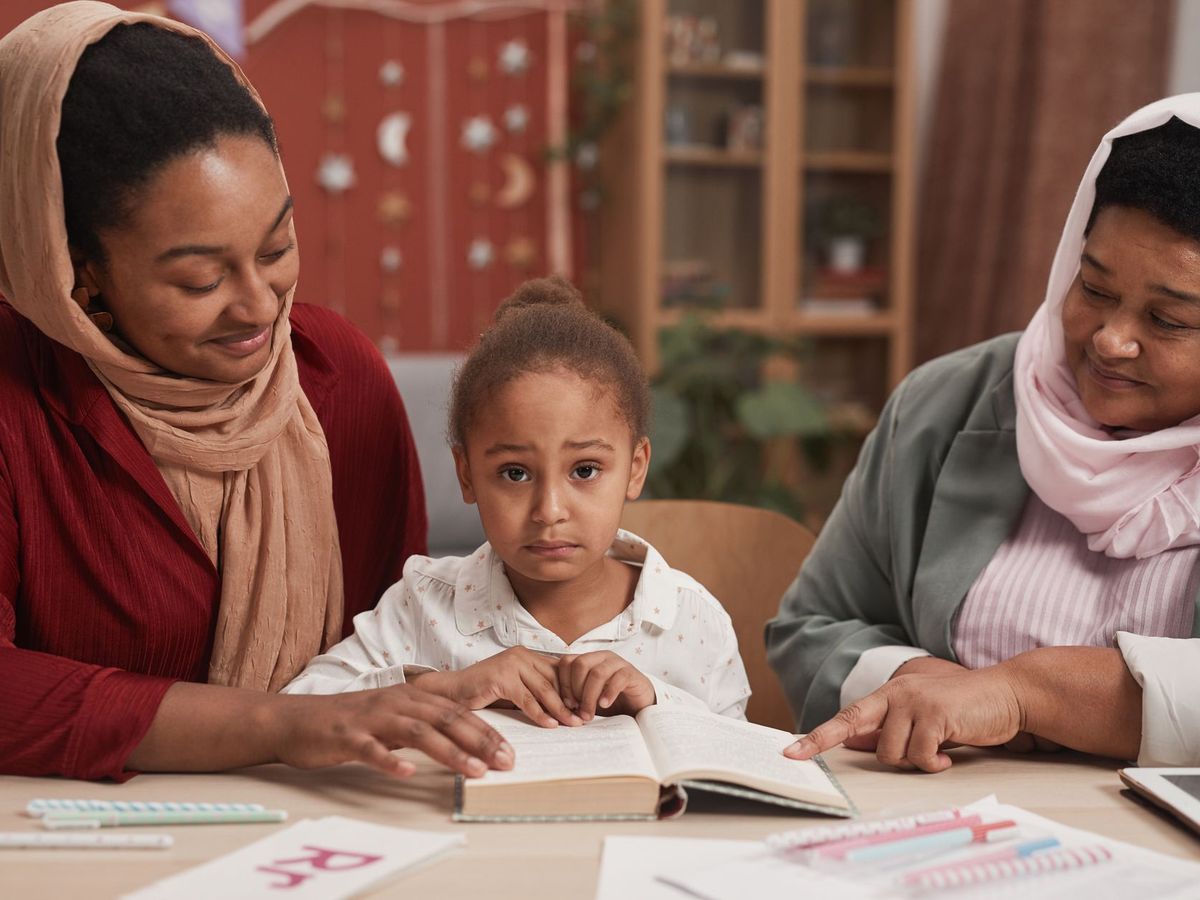
Many Muslim families want the faith to run through the day, not sit at the end of it. Here is a workable way to do it.
- Know what your province asks for. Some provinces ask for a learning plan or progress reports (Quebec, Manitoba and Nova Scotia ask for progress reports). Others ask only for notice or registration. If you must write a plan, include Quran, Arabic and Islamic studies in it as real subjects.
- Keep Islamic studies in your records. Memorization schedules, Arabic reading levels, and seerah books all show learning. A simple weekly log serves in any province.
- Plan around prayer times. The daily routine guide shows how to build lessons around the five prayers, which in Canada shift a lot between winter and summer.
- Share the load. A co-op can cover a subject you find hard. See Muslim homeschool co-ops.
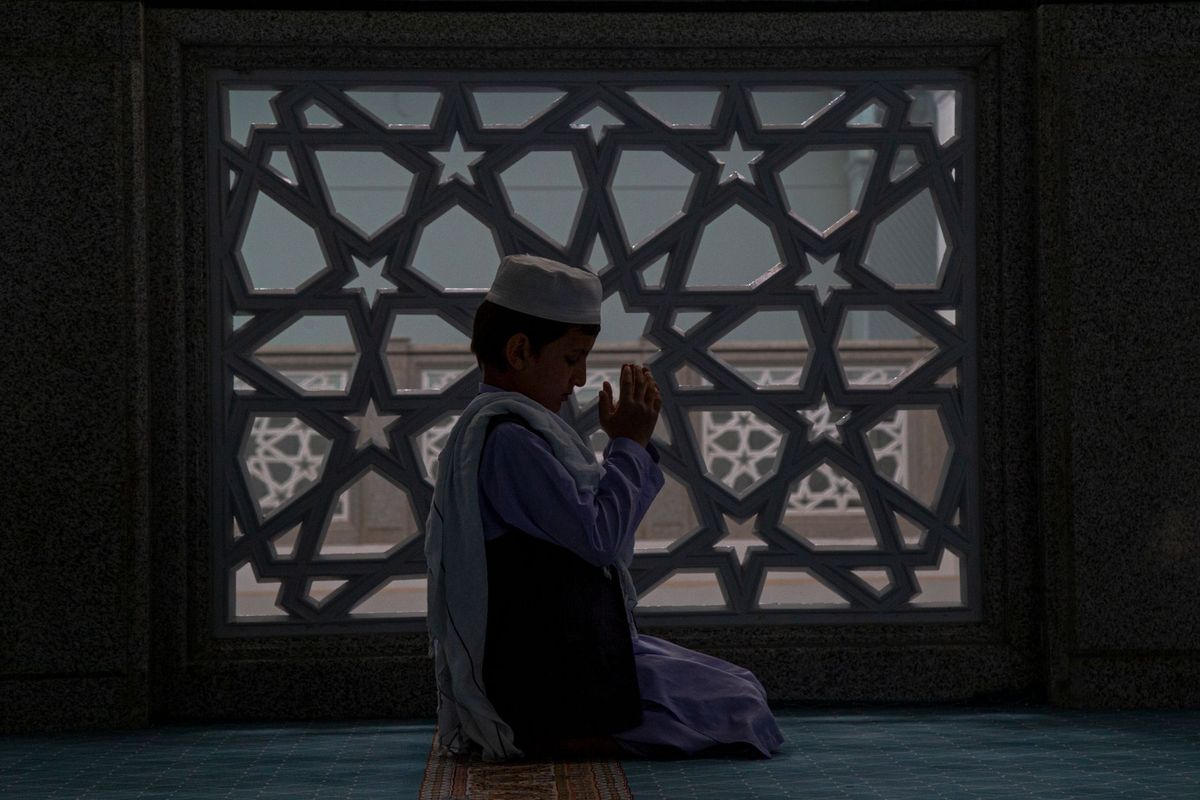
Scholars differ on schooling choices, and we do not issue rulings. If this question matters to your family, see our page on whether homeschooling is allowed in Islam for named views.
Records to keep
Keep these whether or not your province asks to see them:
- A copy of every notice or registration form, with date and delivery proof.
- A subject list for each year.
- A short weekly log: date, subject, what you did.
- Samples of work and reading lists.
- Progress reports or evaluations, where your province uses them.
Store one paper folder and one digital copy.
Before you rely on this page
Rules change, and each province’s office can answer questions about your case. Confirm the current form and date on the official page before you act. If your situation involves a custody order, a move between provinces, or a child with special needs, ask your province’s office or a qualified education lawyer. This page is general information, not legal advice.
Common questions
Is homeschooling legal in Canada?
Yes. Each province on this page has an official page that explains how parents notify or register. The details differ by province.
Do I have to register in every province?
Each province sets its own rule. Ontario asks you to notify the school board in writing. Alberta asks for notice every year, to a supervising school authority (funded) or to the Minister of Education if you choose not to be supervised (not funded). British Columbia asks you to register with a school each year. Quebec and Manitoba use provincial offices.
Can I homeschool without telling anyone?
In the provinces covered on this page, parents are asked to notify or register in some way. Check your province's official page for the exact step and date.
Is there a federal homeschool office?
Each province sets its own home education rules, as the pages below show, so start with your provincial ministry or department of education.
Can I fit Islamic studies into a Canadian homeschool day?
Yes. Plan Quran, Arabic and Islamic studies next to the subjects your province expects, and keep records of both.