This is a suggested plan, not a ruling. It is our own outline of what families commonly cover, and where Muslims differ, such as on fiqh, we say so. If your family follows a particular school or teacher, follow their guidance on what to teach and when.
Scope and sequence by age band
Read across a row to see one strand over time. Read down a column to see a whole year for one child.
| Strand | Ages 4 to 6 | Ages 7 to 9 | Ages 10 to 12 | Ages 13+ |
|---|---|---|---|---|
| Aqeedah | Allah made everything; belief in Allah, angels, books, prophets, the last day, as short stories | The pillars of faith explained simply, with examples from daily life | Beliefs with evidence from the Quran and sunnah; answering common questions | Deeper study with a teacher; how to answer doubts and objections |
| Fiqh of worship | Wudu, how to pray, short surahs, fasting as a family habit | Prayer in detail, fasting, zakat and charity, Hajj outline | The full detail of purification, prayer, fasting, zakat, Hajj for your school of fiqh | A fiqh text with a teacher, including daily-life rulings |
| Seerah | Stories of the Prophet’s childhood and kindness | Main events in order: birth, revelation, Makkah, Hijrah, Madinah | A full timeline with key battles and treaties, using real sources | Seerah with lessons for the present, read with a teacher |
| Akhlaq and adab | Greetings, honesty, sharing, eating and sleeping manners, duas | Kindness, truthfulness, respect for parents and neighbors, anger | Character study through stories of the companions | Responsibility, friendship, online conduct, hard choices |
| Quran | Letters, short surahs by listening, first reading | Fluent reading with tajweed basics, memorize chosen surahs | Memorization, revision system, meaning of memorized surahs | Memorization or review, tafsir study with a teacher |
| Arabic | Letters, sounds, a few common words | Reading, writing, simple sentences | Grammar basics, reading short texts | Continue with grammar or move to Quranic study |
| Islamic history | Prophet stories, the first four caliphs as stories | Early Islamic history as a timeline | Later periods, scholars, science and civilization | Primary-source reading, regional histories |
How to teach each strand at home
Aqeedah
For young children, belief is mostly conversation. Answer their questions simply and honestly, and tell stories of the prophets. Do not push abstract arguments before ages 10 to 12. When a child asks something you cannot answer, say so and find the answer together, or ask a teacher.
Fiqh of worship
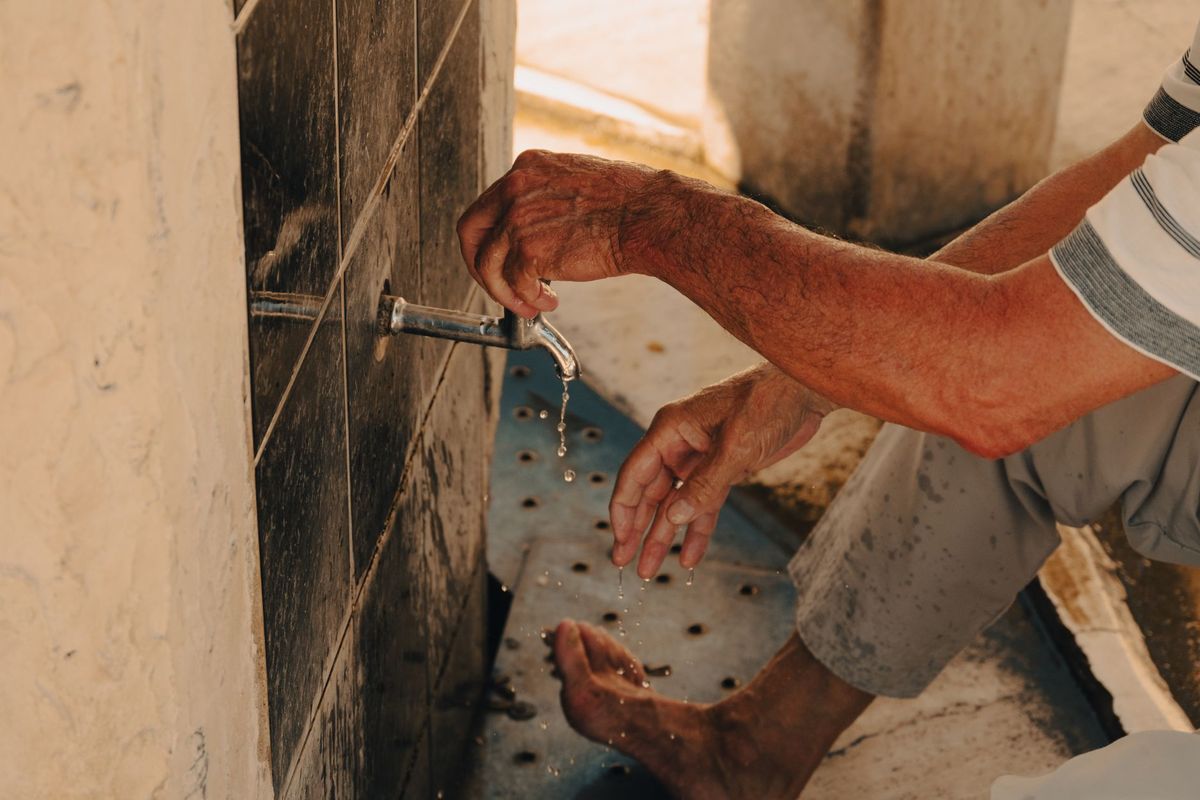
This strand is practice first. Pray together, let children watch and copy, then add detail as they grow. Fiqh differs between the schools, so use a text that matches your family’s school and have your imam or a knowledgeable relative on hand for questions. We do not give rulings.
Seerah
Tell the story in order, a short piece a week. Add a timeline on the wall, a map, and one hands-on activity per week, like drawing the route of the Hijrah. For a full unit, see seerah for kids.
Akhlaq and adab
This is taught by living it, not by worksheets. Choose one habit a month: greeting, saying bismillah, speaking truthfully, tidying up for others. Praise the effort. Read stories that show the habit in action.
Quran
Daily and short beats occasional and long. Young children listen and repeat, then learn letters and reading, then memorize. A teacher who hears recitation matters most here, because a parent who is not confident in tajweed can miss mistakes. See our Quran homeschool plan for stages and weekly time.
Arabic
Arabic is its own subject with its own pace. For a parent who does not speak Arabic, a graded program or live teacher works better than guessing. See the Arabic homeschool curriculum guide.
Islamic history
Begin with stories, move to a timeline, then to sources. Keep your sources named: if a book makes a strong claim about a person or event, look for who said it and where. Pair history with geography and with the science and art of each era so it feels like one story.
Which verified providers cover which strands
We read each provider’s own site. This table shows what a provider says it offers, not how well it teaches.
| Provider | Aqeedah and fiqh | Seerah and history | Quran | Arabic | Akhlaq and stories |
|---|---|---|---|---|---|
| IQRA’ | Yes (Aqidah, Fiqh and Akhlaq program) | Yes (Sirah and Hadith, Islamic History programs) | Yes (Quranic Studies program) | Yes (Arabic Language program) | Yes (in the Aqidah, Fiqh and Akhlaq program) |
| Safar Publications | Islamic Studies, ages 5 to 11 and 11+ | Not stated | Learn to Read (Qaidah and Tajweed) | Learn Arabic | Duas (Learn by Heart) |
| Zaid Academy | Islamic studies classes | Not stated | Quran, Tajweed, memorization | Arabic classes | Not stated |
| Goodword Books | Not checked | Seerah stories | Quran stories | Arabic learning books | Children’s stories |
| Kube Publishing | Publisher; strands not itemized on the page we read | Not stated | Not stated | Not stated | Children’s books on Islam |
| Learning Roots | Publisher and shop; strands not itemized on the page we read | Not stated | Not stated | Not stated | Books, games and digital products |
| The Islamic Foundation | Publishes on Quran, Tafsir, Sirah and children’s books | Sirah | Quran, Tafsir | Not stated | Children’s books |
Only IQRA’ and Safar list a graded sequence across most strands. Goodword, Kube, Learning Roots and the Islamic Foundation are publishers, so use them as reading beside a main program. For a side-by-side look, see our curriculum comparison. If budget is tight, see the free options.
How to tell a child is ready to move up
Age bands are a guide, not a deadline. Move a child up a band, or hold them back, using what you see.
- Can they do it without help? If a child can pray the full prayer on their own, move to the next fiqh topic. If not, practice more.
- Can they retell it? After a seerah story, ask your child to tell it back in their own words. If they can, move on to the next story.
- Do they use it? For akhlaq, the test is behavior over weeks, not a worksheet score.
- Can they read it? For Quran and Arabic, fluent reading with few errors is the signal to start memorization or grammar.
If a child is struggling in one strand, keep the others moving. A child can be at the 10 to 12 level in seerah and still at the 7 to 9 level in Arabic.
Common mistakes
- Teaching everything in the same week. Rotate strands across days so each gets attention without crowding the others.
- Starting fiqh detail too early. Young children learn to pray by praying. Save the detailed rules for the age bands that can use them.
- Using books you have not read. Read the chapter yourself before you teach it, and ask a teacher about anything you are unsure of.
- Leaving out the family. Strands like akhlaq and aqeedah are learned from how you speak and act at home, not only from the book.
A sample week for ages 7 to 9
For example, a family with an 8-year-old might do this on four days, leaving Friday for a masjid visit or review.
- Daily, 15 minutes: Quran reading and revision.
- Monday and Thursday, 20 minutes: Fiqh or aqeedah lesson from your chosen text.
- Tuesday, 20 minutes: Seerah story, then a timeline entry.
- Wednesday, 20 minutes: Arabic reading practice.
- Every day: One adab habit practiced and discussed at dinner.
Build your own with the schedule builder.
Common questions
What subjects are in an Islamic studies curriculum?
Most cover aqeedah (beliefs), fiqh of worship (how to pray, fast and give), seerah (the life of the Prophet), akhlaq and adab (character and manners), Quran, Arabic and Islamic history.
How many hours a week should Islamic studies take?
There is no set number. Many families start with short daily sessions for young children and add time as children get older. Match it to your child's attention and your family's priorities.
Which fiqh should I teach?
Muslims follow different schools of fiqh. Choose a text that matches your family's school, or ask your imam or a teacher you trust. We do not give rulings.
Can I use one program for all children?
Yes, for younger children. Older children need their own level, especially in fiqh, Arabic and history.