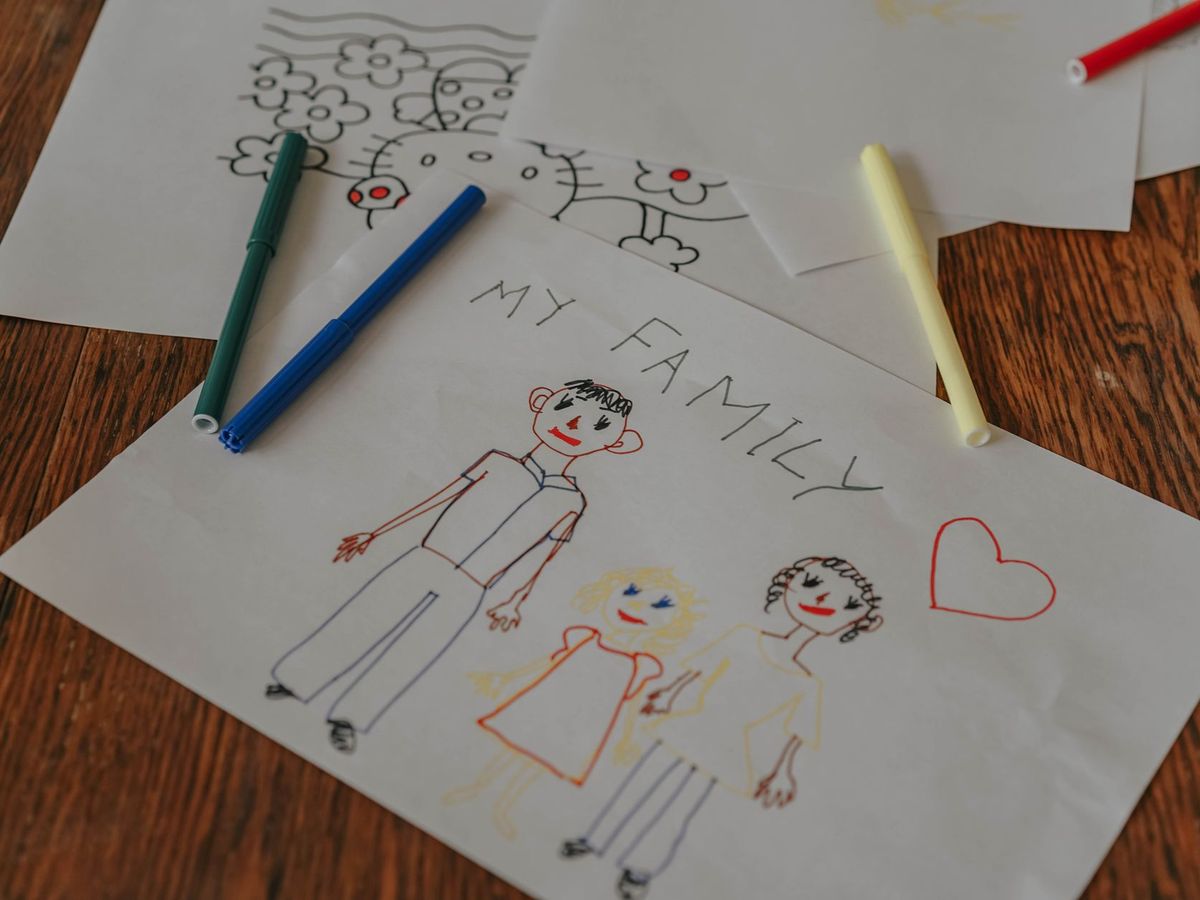
What this unit covers
Hajj is the pilgrimage to the House of Allah in Makkah. It takes place in the last month of the Islamic calendar, Dhul Hijjah. Eid al-Adha falls on the 10th of that month, during Hajj. Children can join in the season even when they are not on Hajj themselves.
The unit is six weeks at three or four sessions a week. Start it about a month before Dhul Hijjah if you can. To find where the month falls in your year, use our homeschool year plan. We do not state dates for 2027 here, because the Islamic calendar is lunar and your local mosque announces the start of the month.
We quote the Quran from Quran.com in the Saheeh International translation, and hadith from Sunnah.com with the collection and number. Sunnah.com shows no separate grade on Sahih al-Bukhari and Sahih Muslim entries. We do not give religious rulings. Where scholars and schools differ, we say so and you should ask your own teacher.

Why Hajj matters
Qur’an 3:97 (Saheeh International) says pilgrimage to the House is due “to Allah from the people … for whoever is able to find thereto a way.” One reference work says Hajj is one of the Five Pillars of Islam and is required once in a lifetime of every adult Muslim of sound mind who can afford it.
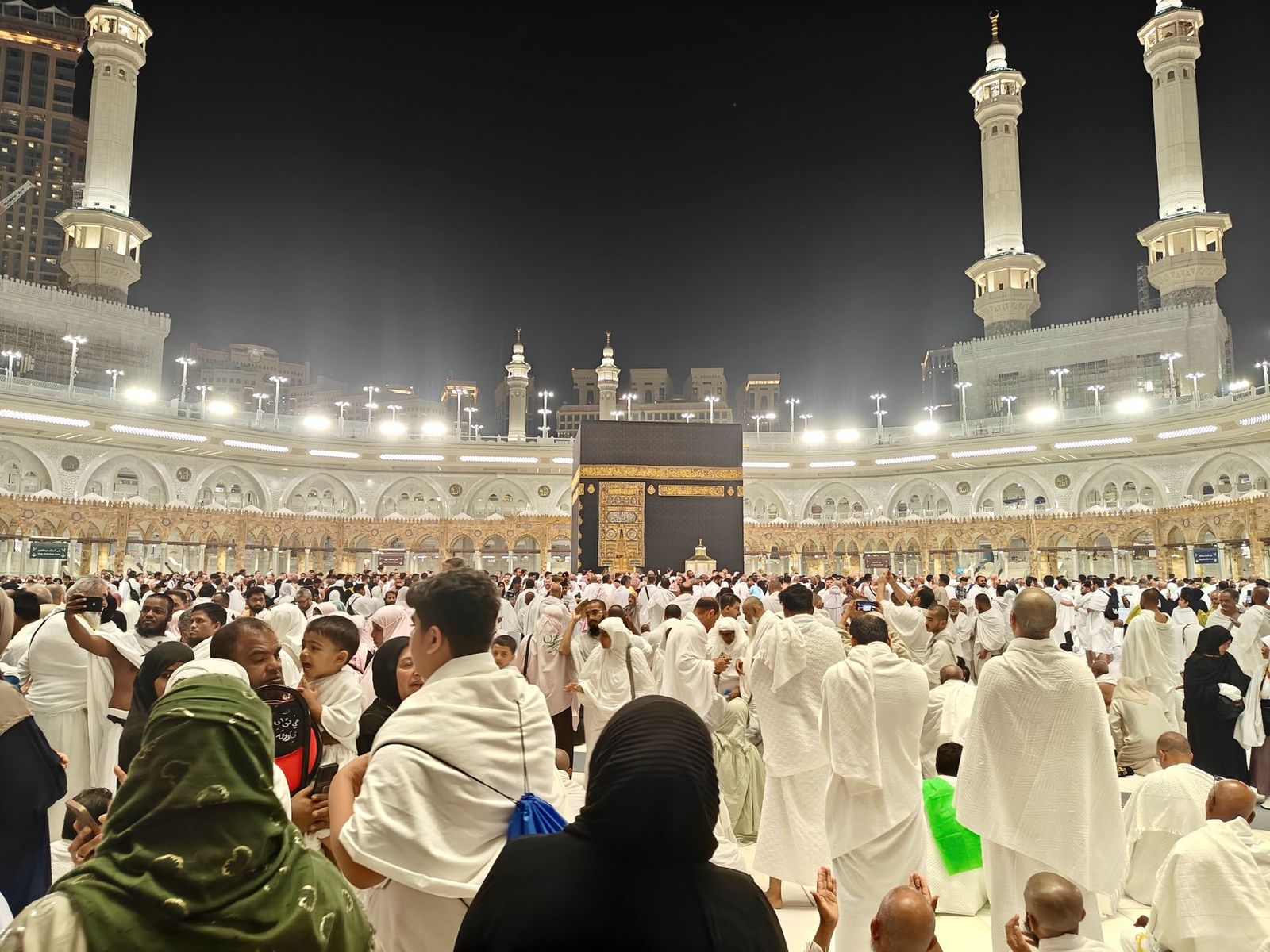
Qur’an 22:27 records the call: “And proclaim to the people the hajj; they will come to you on foot and on every lean camel; they will come from every distant pass.”
A hadith narrated by Abu Huraira, Sahih al-Bukhari 1521, gives the Prophet’s words on a pilgrimage done with sincerity and good conduct: “Whoever performs Hajj for Allah’s pleasure and does not have sexual relations with his wife, and does not do evil or sins then he will return (after Hajj free from all sins) as if he were born anew.” For younger children, share only the last part: a person who goes with sincerity and good conduct returns “as if he were born anew.”
Weekly plan
| Week | Focus | Anchor text | Main task |
|---|---|---|---|
| 1 | Ibrahim and the House | Qur’an 2:125-127, 14:37 | Draw the valley and the House |
| 2 | Hajar and Ismail | Sahih al-Bukhari 3364, Qur’an 2:158 | Walk between two lines seven times |
| 3 | The sacrifice story | Qur’an 37:102-108 | Retell, then discuss trust |
| 4 | The rites of Hajj in order | Qur’an 2:196-203, Sahih Muslim 1218 | Make a step-by-step Hajj map |
| 5 | Dhul Hijjah and Eid al-Adha | Sahih al-Bukhari 969 and 5545, Qur’an 22:34-37 | Plan family Eid giving |
| 6 | Review | All | Quiz and present the map |
Ibrahim, Hajar and Ismail
Week 1: Ibrahim and the House
Qur’an 2:127 says: “And [mention] when Abraham was raising the foundations of the House and [with him] Ishmael, [saying], ‘Our Lord, accept [this] from us. Indeed, You are the Hearing, the Knowing.’” Qur’an 2:125 says the House was made “a place of return for the people and [a place of] security.”
Qur’an 14:37 records Ibrahim’s prayer: “Our Lord, I have settled some of my descendants in an uncultivated valley near Your sacred House, our Lord, that they may establish prayer.”
Week 2: Hajar and Ismail
The story of Hajar (Hagar) and her son Ismail near the House comes from Sahih al-Bukhari 3364, narrated by Ibn Abbas. The narration calls her “the mother of Ishmael”. It says Ibrahim left her and her baby with dates and water in a valley with no people, and she asked: “Has Allah ordered you to do so?” He said yes, and she said: “Then He will not neglect us.”
When the water ran out, she ran seven times between the mountains of Safa and Marwa, and then an angel appeared at the place of Zamzam, and water flowed. The Prophet said: “This is the source of the tradition of the walking of people between them.” Qur’an 2:158 says Safa and Marwa “are among the symbols of Allah.”
The narration is long. Read it aloud in sections, or retell it in your own words for young children.
Week 3: The sacrifice story
Qur’an 37:102 tells of a father who saw in a dream that he must sacrifice his son: “O my father, do as you are commanded. You will find me, if Allah wills, of the steadfast.” Verse 107 says: “And We ransomed him with a great sacrifice.” These verses do not name the son. Ibn Kathir, in his tafsir, holds that it was Ismail and reports the same from Ibn Abbas, Ibn Umar, Mujahid and others. He points out that the good news of Ishaq comes after this story, in verse 112. A few early scholars held it was Ishaq.
The lesson children can take from the text: submitting to the command, and the Lord’s ransom. Keep the telling calm and reassuring for young children, and stress the ransom.
The rites of Hajj in order
- MakkahIhram before entering. On arrival, tawaf and sai.
- Mina8th Dhul Hijjah.
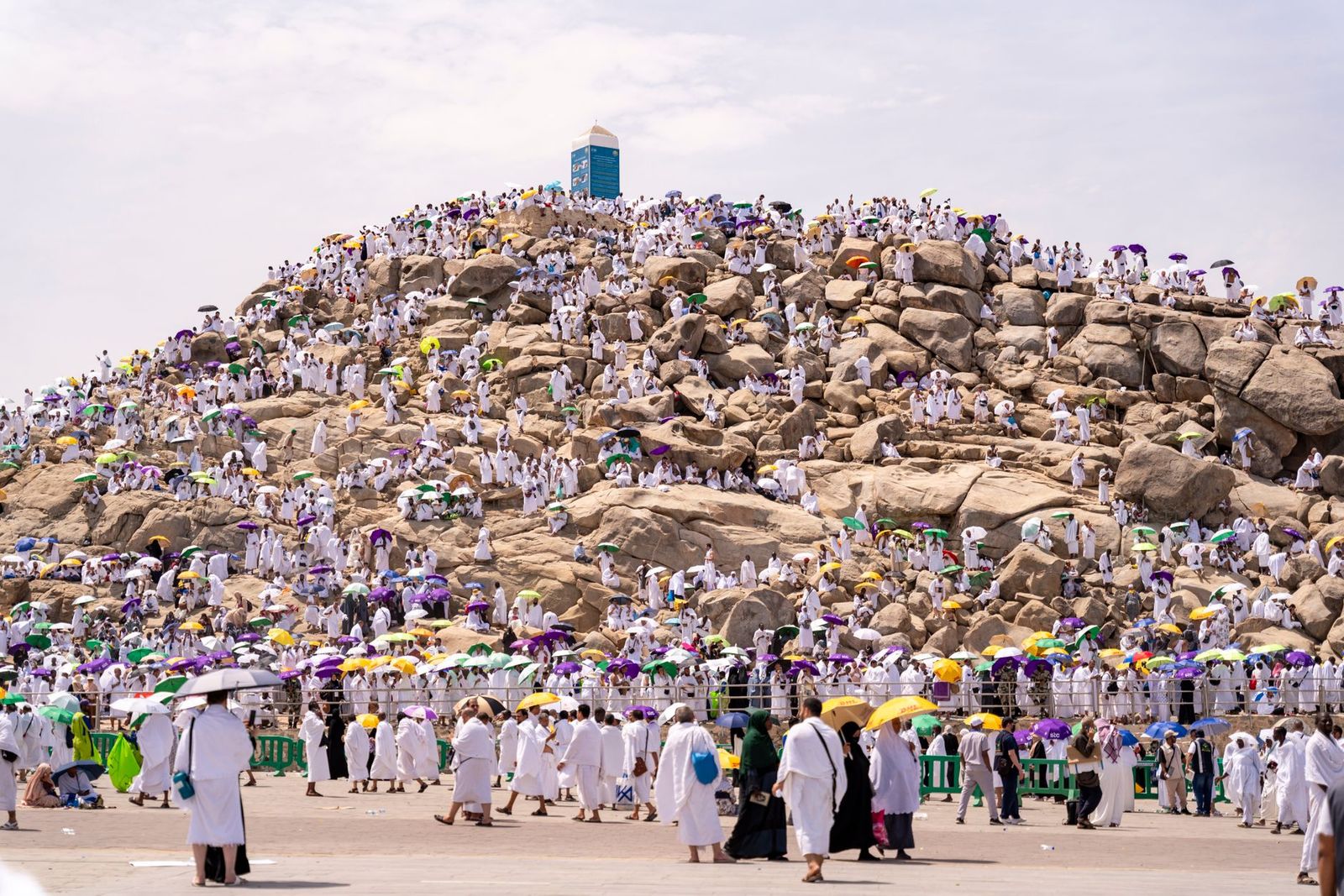
- Arafat9th: standing from midday until sunset.
- MuzdalifahNight of the 9th to the 10th.
- Mina again10th: pebbles, sacrifice, hair. Stoning on the 11th to 13th.
- Makkah againTawaf on the 10th. Farewell tawaf before leaving.
Week 4
The table follows the Prophet’s own pilgrimage as reported in Sahih Muslim 1218, narrated by Jabir. Details vary by type of Hajj and by school, so follow your teacher for a real pilgrimage.
| Step | Day | What happens |
|---|---|---|
| 1 | Before entering Makkah | The pilgrim enters ihram: men wear two plain white cloths, and women wear their ordinary modest clothing. Then the talbiya is said. |
| 2 | On arrival | Tawaf: seven circuits of the Kaaba. Then sai: seven runs or walks between Safa and Marwa. |
| 3 | 8th Dhul Hijjah | Pilgrims go to Mina. Sahih Muslim 1218 calls this the day of Tarwiya. |
| 4 | 9th | The standing at Arafat from midday until sunset, the central part of Hajj. |
| 5 | Night of 9th to 10th | After sunset, to Muzdalifah, for the evening prayers and a night there. |
| 6 | 10th | At Mina: seven pebbles at the Jamrat al-Aqaba, the sacrifice, then hair shaved or cut, and a tawaf in Makkah. |
| 7 | 11th to 13th | More stoning at Mina. Qur’an 2:203 allows leaving after two days or staying to the third. |
| 8 | Before leaving Makkah | A farewell tawaf (Sahih al-Bukhari 1755). |
Note: schools and types of Hajj differ on small points. Treat the table as an outline.
Qur’an 2:197 gives the conduct of a pilgrim: “no sexual relations and no disobedience and no disputing during hajj.” It also says: “the best provision is fear of Allah.”
Dhul Hijjah and Eid al-Adha
Week 5
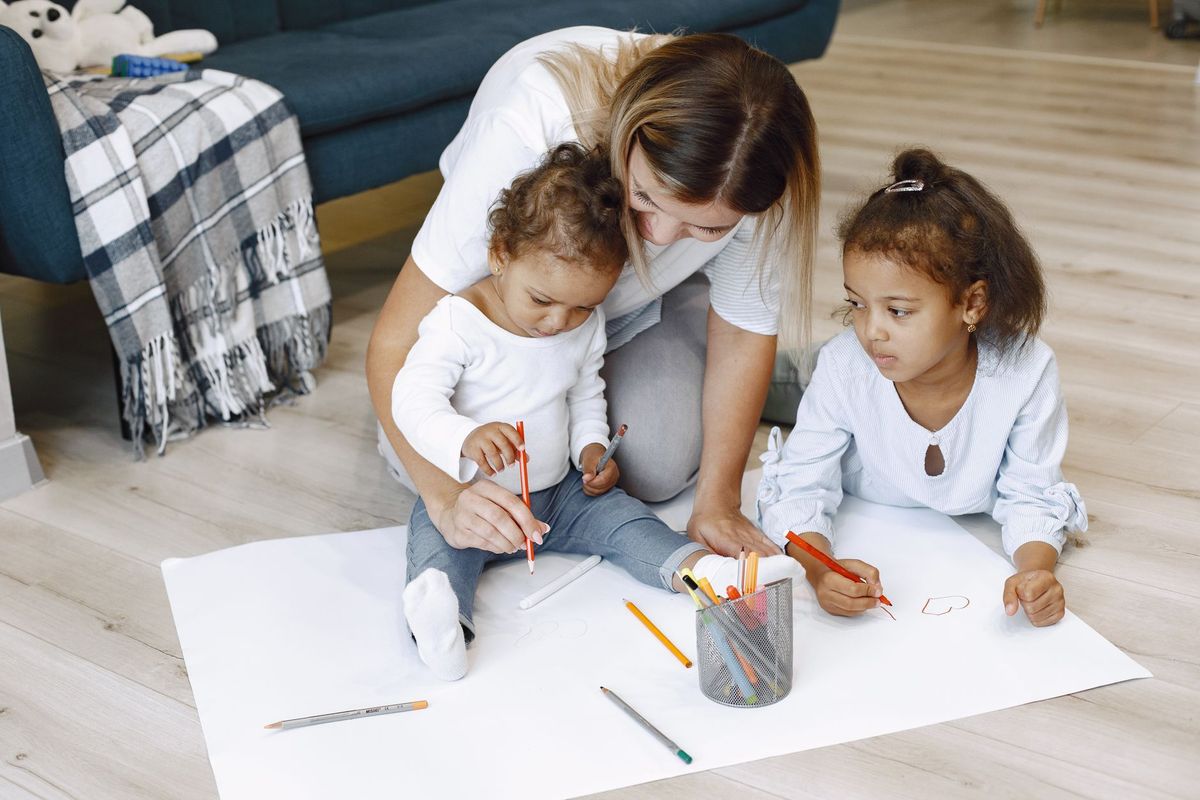
In Sahih al-Bukhari 969, narrated by Ibn Abbas, the Prophet said no good deeds done on other days are superior to those done on the first ten days of Dhul Hijjah. Use these ten days for family good deeds: extra charity, more Quran, extra dhikr.
Eid al-Adha is on the 10th. In Sahih al-Bukhari 5545, narrated by al-Bara, the Prophet said: “The first thing we will do on this day of ours, is to offer the (Id) prayer and then return to slaughter the sacrifice.” Many families call the sacrifice qurbani or udhiya.
Qur’an 22:36 says to mention Allah’s name over the animals and: “eat from them and feed the needy [who does not seek aid] and the beggar.” Qur’an 22:37 says: “Their meat will not reach Allah, nor will their blood, but what reaches Him is piety from you.” Rules about who must sacrifice, which animals count and how the meat is shared differ among schools. Ask your imam, and we do not rule on them here.
Activities for ages 5 to 8
- Draw the valley. Draw Hajar, Ismail, the mountains Safa and Marwa and the water.
- Seven walks. Mark two lines in a hallway and walk between them seven times, counting aloud.
- Pebble counting. Count seven pebbles into a cup.
- Eid chart. Draw the plan for Eid morning: prayer, family, food, giving.
- Kindness jar. Add a note each day for the ten days.
Activities for ages 9 to 13
- Read Bukhari 3364. Read the full narration, then write what Hajar did and what she said.
- Day-by-day Hajj map. Draw a map of Makkah, Mina, Arafat and Muzdalifah with the step table.
- Compare two sources. Read the 10th-day rites in Sahih Muslim 1218, then compare them with the table above and ask your teacher about any differences.
- Quran verses. Memorize 2:127 or 22:37 with your Quran plan.
- Interview. Ask a relative or neighbor who has made Hajj what they learned, if they are willing.
- Giving plan. Plan how the family will give during the ten days.
Discussion questions
- Why did Hajar say, “Then He will not neglect us”?
- What do Safa and Marwa remind us of every time Hajj is performed?
- What does 22:37 say reaches Allah?
- Why do Muslims pray first and sacrifice after, on Eid?
- How can our family feed someone in need this Dhul Hijjah?
The unit project: a Hajj map and Eid plan
Draw a large map with Makkah, Mina, Arafat and Muzdalifah. Add one card per step from the table. Under the map, write a family Eid plan with three parts: prayer, giving, and time together.
How to wrap up
- Quiz the family on the order of the rites.
- Have each child tell the story of Hajar and Zamzam.
- Put the map on the wall during Dhul Hijjah.
- Move on to the stories of the prophets or the seerah unit.
Common questions
What are the rites of Hajj in order?
In outline: ihram, tawaf and sai, the 8th at Mina, the 9th at Arafat and then Muzdalifah, the 10th stoning, sacrifice, hair cutting and tawaf, the days of stoning at Mina, and a farewell tawaf. Details vary by type of Hajj and by school, so follow your teacher.
When is Eid al-Adha?
On the 10th of Dhul Hijjah, the last month of the Islamic calendar. Because the Islamic calendar is lunar, the date shifts through the Gregorian year, so check the start of the month with your local mosque.
Is Hajj required for children?
This page does not give rulings. One reference work says Hajj is required once in a lifetime of every adult Muslim of sound mind who can afford it. Ask your local scholar about children.
Where does the story of Hajar and Zamzam come from?
From a narration in Sahih al-Bukhari, number 3364, reported by Ibn Abbas. It tells how Hajar ran between Safa and Marwa and how water came forth.
- Qur'an 3:97, Saheeh International, Quran.com
- Qur'an 22:27, Saheeh International, Quran.com
- Qur'an 2:125-127, Saheeh International, Quran.com
- Qur'an 14:37, Saheeh International, Quran.com
- Qur'an 2:158, Saheeh International, Quran.com
- Qur'an 2:196-203, Saheeh International, Quran.com
- Qur'an 37:102-108, Saheeh International, Quran.com
- Qur'an 22:34-37, Saheeh International, Quran.com
- Sahih al-Bukhari 3364, Sunnah.com
- Sahih al-Bukhari 969, Sunnah.com
- Sahih al-Bukhari 1521, Sunnah.com
- Sahih al-Bukhari 1755, Sunnah.com
- Sahih al-Bukhari 5545, Sunnah.com
- Sahih Muslim 1218, Sunnah.com
- Hajj, The Concise Oxford Dictionary of World Religions, via Encyclopedia.com
- Ibn Kathir, tafsir of Qur'an 37:101, Quran.com
- Qur'an 37:112, Saheeh International, Quran.com