What this unit covers
The Quran names many prophets and tells some of their stories at length, others in a single verse. This unit moves through them in a simple order: first what a prophet is, then Adam, Noah, Ibrahim and Ismail, Yusuf, Musa and Harun, Yunus and Ayyub, and finally Isa and the last prophet, Muhammad, peace be upon them all.
English names in the translation are Adam, Noah, Abraham, Ishmael, Joseph, Moses, Aaron, Jonah, Job, Jesus and Muhammad. We use the common Arabic names too, so children can hear both.
We stay close to the text of the verses. Where a story has more detail in tafsir or classical books, we say so and do not fill in the gaps ourselves. If your children ask what a verse means beyond what it says, ask a trusted teacher. We do not give religious rulings.
Our seerah unit covers the Prophet Muhammad’s life in more detail. The Hajj and Eid al-Adha unit goes deeper into Ibrahim, Hajar and Ismail.

The prophets and their verses
| Prophet | Quran reference | What the verse tells us |
|---|---|---|
| Adam | 2:30, 2:37 | Placed on the earth; “He accepted his repentance”. |
| Nuh (Noah) | 71:1, 29:14 | Sent to his people to warn them; “a thousand years minus fifty years”. |
| Ibrahim (Abraham) | 2:124, 21:68-69 | Tried by his Lord and fulfilled the commands; the fire made “coolness and safety”. |
| Ismail (Ishmael) | 19:54 | ”True to his promise”, a messenger and a prophet. |
| Yusuf (Joseph) | 12:4, 12:111 | His dream of eleven stars; the stories hold “a lesson for those of understanding”. |
| Musa (Moses) | 20:9-13 | Called in the valley of Tuwa. |
| Harun (Aaron) | 20:29-30 | Musa asks for his brother as an assistant. |
| Yunus (Jonah) | 21:87 | Called out from “the darknesses”: “There is no deity except You”. |
| Ayyub (Job) | 21:83 | Called to his Lord in hardship. |
| Isa (Jesus) | 3:45-46, 19:30-33 | Announced to Mary; speaks in the cradle. |
| Hud, Salih, Shuayb, Lut | 7:65, 7:73, 7:85, 7:80 | Each sent to his own people. |
| Dawud (David), Sulayman (Solomon) | 38:17, 27:16 | Strength and turning back; inheritance and knowledge. |
| Zakariyya, Yahya, Idris | 19:2, 19:12, 19:56 | Mercy, judgment as a boy, and “a man of truth”. |
| Ishaq (Isaac), Yaqub (Jacob), Ilyas (Elias), al-Yasa (Elisha), Dhul-Kifl | 6:84-86, 21:85, 38:48 | Named in these verses among the prophets and the righteous. |
| Muhammad | 33:40 | ”Messenger of Allah and seal of the prophets”. |
Two verses frame the whole unit. Qur’an 2:285 says the believers say: “We make no distinction between any of His messengers.” Qur’an 4:164 says there are messengers whose stories are related and messengers whose stories are not.

Weekly plan
| Week | Focus | Quran anchor | Main task |
|---|---|---|---|
| 1 | What is a prophet? | 2:285, 4:164, 6:83-86 | Make a family “prophets book” cover and a names list |
| 2 | Adam | 2:30, 2:37 | Draw repentance and forgiveness in two panels |
| 3 | Nuh | 71:1, 29:14 | Patience chart and a boat model |
| 4 | Ibrahim and Ismail | 2:124, 21:68-69, 19:54 | Trust and promise-keeping game |
| 5 | Yusuf | 12:4, 12:111 | Dream and lesson cards |
| 6 | Musa and Harun | 20:9-13, 20:29-30 | Helper and teamwork task |
| 7 | Yunus and Ayyub | 21:87, 21:83 | A dua card for hard days |
| 8 | Isa and Muhammad | 3:45-46, 19:30-33, 33:40 | Finish the prophets book and review |
Week by week
Week 1: What is a prophet?
Read 6:83-86 aloud. It names a list of prophets, from Abraham and Isaac to Jonah and Lot. Let each child pick one name to learn about this term. Read 2:285 to show that Muslims believe in all of the messengers.
Week 2: Adam
Read 2:30, where the Lord tells the angels He will place a “successive authority” on earth, and 2:37, where Adam receives words from his Lord “and He accepted his repentance.” The lesson children can take: a mistake can be followed by repentance, and the verse says the Lord is “the Accepting of Repentance, the Merciful.”
Week 3: Nuh
Read 71:1 and 29:14. Nuh was sent to his people to warn them, and the verse says he remained among them “a thousand years minus fifty years.” Talk about patience in a long task, without adding details the verses do not give.
Week 4: Ibrahim and Ismail
Read 2:124, where Ibrahim is tried with commands and fulfills them, and 21:68-69, where the fire is made “coolness and safety”. Then read 19:54, where Ismail is “true to his promise”. Look further at their story in the Hajj and Eid al-Adha unit.
Week 5: Yusuf
Read 12:4, the dream of eleven stars, the sun and the moon. Then read 12:111: “There was certainly in their stories a lesson for those of understanding.” Ask what lessons children see. The whole surah can be read across several sessions with older children.
Week 6: Musa and Harun
Read 20:9-13, where Musa is told to remove his sandals in the valley of Tuwa, then 20:29-30, where he asks for his brother Harun as an assistant. The lesson to talk about: asking for help.
Week 7: Yunus and Ayyub
Read 21:87, Yunus calling out “There is no deity except You; exalted are You. Indeed, I have been of the wrongdoers,” and 21:83, Ayyub calling to his Lord in hardship. Both show turning to the Lord at a hard moment.
Week 8: Isa and Muhammad
Read 3:45-46 and 19:30-33, where Isa is announced to Maryam and speaks in the cradle. Then read 33:40, which calls Muhammad “the Messenger of Allah and seal [i.e., last] of the prophets.” Review the whole unit.

Activities for ages 5 to 8
- Retell with felt or paper. Cut simple shapes for each story and retell it in two sentences.
- Name song. Sing or chant the order of prophets from the plan.
- Craft. A paper boat for Nuh, a star chain for Yusuf, a fish for Yunus.
- Dua card. Copy the words from 21:87 on a card in large letters.
- Kindness link. For each prophet, pick one habit the family can try this week.
Activities for ages 9 to 13
- Read the verses. Read each verse in the Saheeh International translation and write one lesson in your own words.
- Compare two stories. Compare Yunus and Ayyub: what did each person do in a hard moment?
- Tafsir hunt. With a teacher, read one passage in a trusted tafsir and note what the tafsir adds that the verse does not say.
- Map and people. Mark Hud, Salih and Shuayb on a simple chart with the people each was sent to: Aad, Thamud and Madyan, as 7:65, 7:73 and 7:85 say.
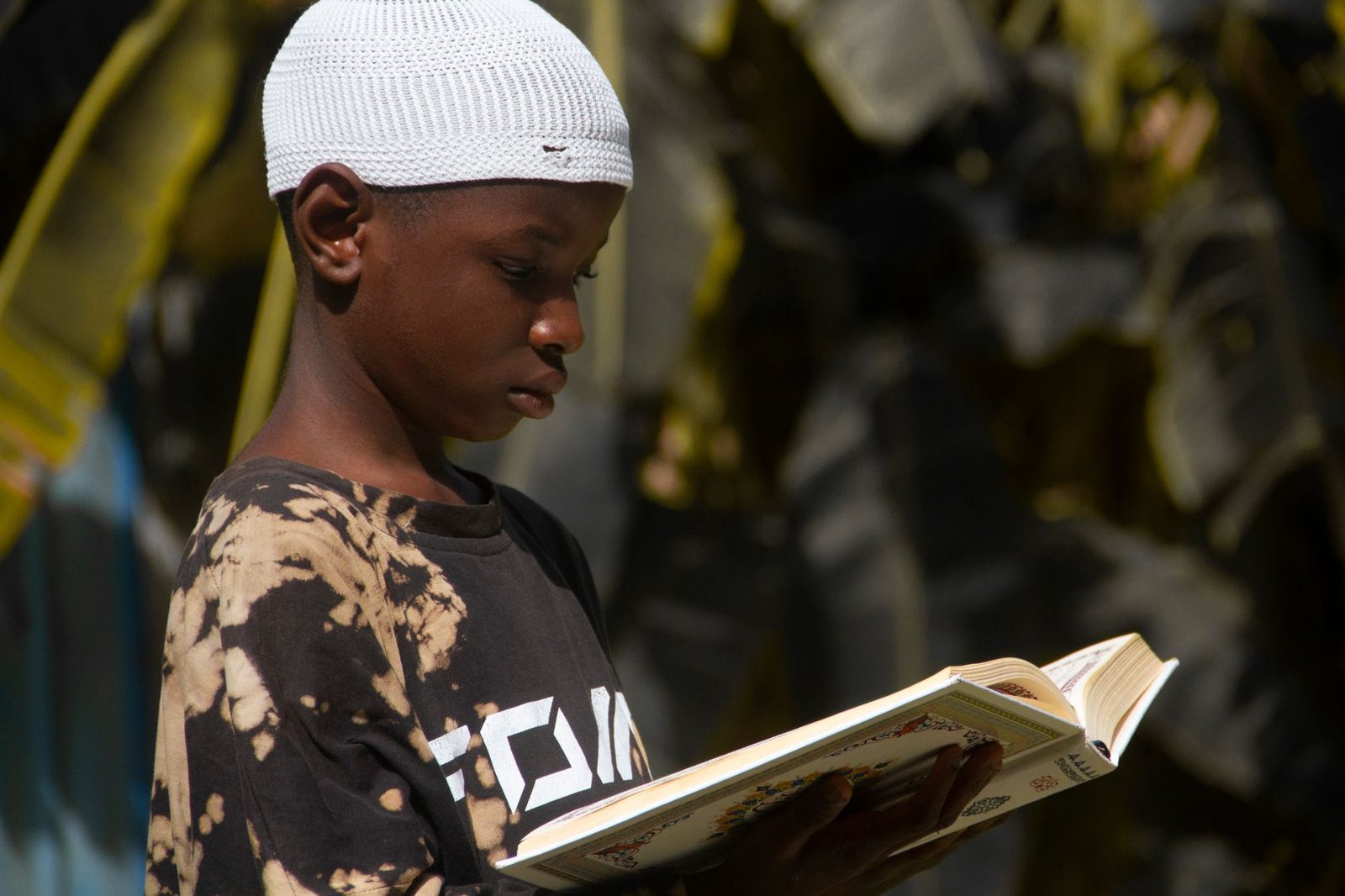
- Prophets book chapter. Write one page on a prophet with a title, a verse and a lesson.
- Connect to the Quran plan. Choose one of these verses to memorize with your Quran plan.
Discussion questions
- What is the same in the lives of all the prophets we read about?
- What does the verse about Adam tell us about mistakes and repentance?
- What does 12:111 say we should take from the stories of Yusuf and the others?
- Why did Musa ask for Harun as an assistant?
- Which prophet’s story surprised you most, and why?
The unit project: a family prophets book
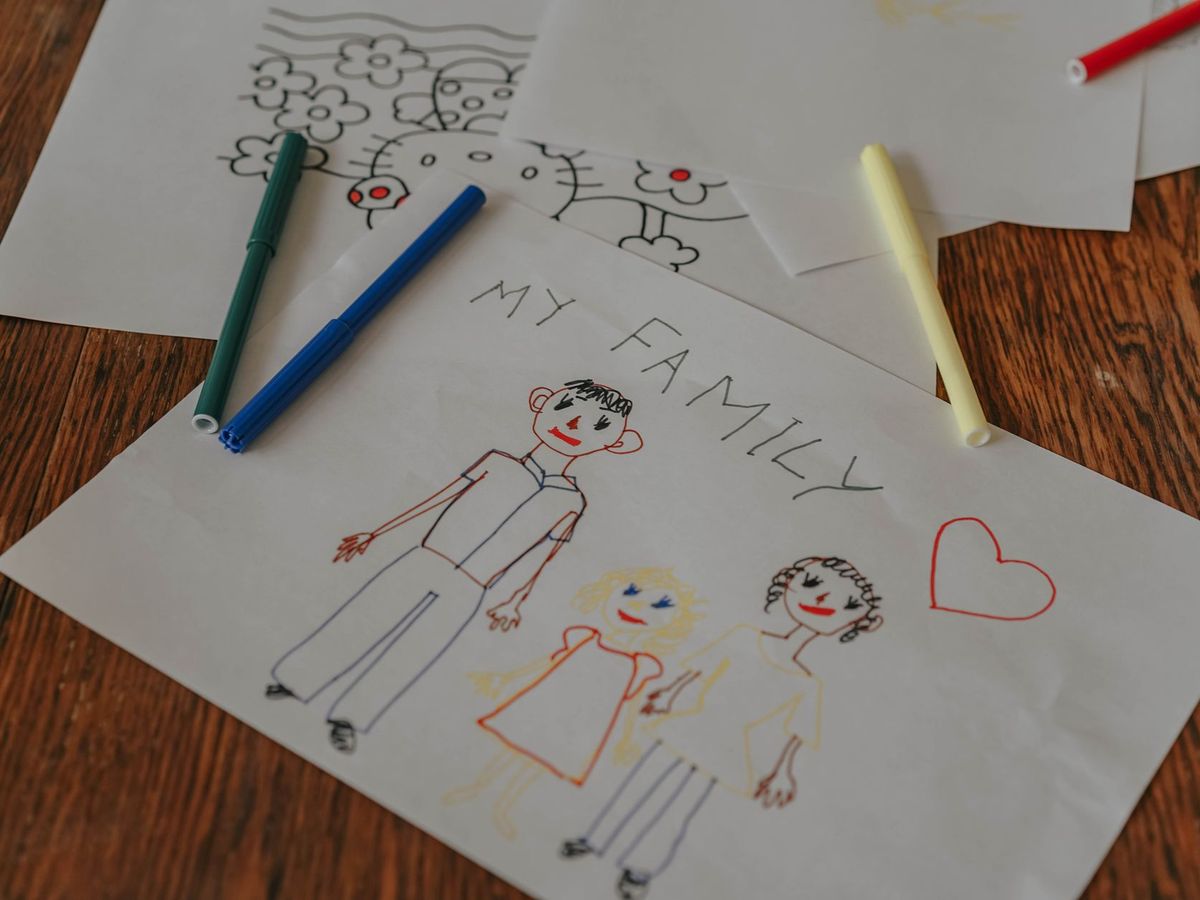
Give each child a folder or notebook. For each prophet, add a page with the name, the Quran reference, a drawing and a one-line lesson. Younger children dictate and draw. Older children write. At the end, read the book together and add a dedication page.
How to wrap up
- Hold a family quiz: read a verse, guess the prophet.
- Let each child read one page of their book to a relative.
- Add the book to the family shelf.
- Move on to Islamic history for kids or the seerah unit.
Common questions
How many prophets are named in the Quran?
We do not give a count. This unit covers the prophets in the weekly plan and lists the Quran verse for each. Qur'an 4:164 says there are messengers whose stories are related and others whose stories are not.
What age is this unit for?
It is written for ages 5 to 13. Younger children hear the story and do a craft or retelling. Older children read the verses, write answers and compare stories.
Which translation do you quote?
The Saheeh International translation on Quran.com. Each reference links to the verse on Quran.com.
Do I need a tafsir or storybook?
For detail beyond what a verse states, use a trusted tafsir or a children's storybook from your own teacher or community. We have not listed one because we did not confirm a title for this page.
- Qur'an 2:30 and 2:37 (Adam), Saheeh International, Quran.com
- Qur'an 2:124 (Abraham), Saheeh International, Quran.com
- Qur'an 2:285 (no distinction between messengers), Quran.com
- Qur'an 4:164, Quran.com
- Qur'an 6:83-86 (names of prophets), Quran.com
- Qur'an 7:65, 7:73, 7:80 and 7:85 (Hud, Salih, Lot, Shuayb), Quran.com
- Qur'an 12:4 and 12:111 (Joseph), Quran.com
- Qur'an 19:2, 19:12, 19:30-33, 19:54 and 19:56, Quran.com
- Qur'an 20:9-13 and 20:29-30 (Moses and Aaron), Quran.com
- Qur'an 21:68-69 (Abraham), 21:83 (Job), 21:87 (Jonah), Quran.com
- Qur'an 27:16 (Solomon), Quran.com
- Qur'an 29:14 and 71:1 (Noah), Quran.com
- Qur'an 33:40 (Muhammad), Quran.com
- Qur'an 38:17 (David), Quran.com
- Qur'an 3:45-46 (Jesus), Quran.com