What this unit covers
Many families teach the seerah first. This unit starts where that ends: with the Prophet’s death in 632 and what came after. Our seerah unit covers his life, and you can use it as the lead-in. Families who want a shorter, single-event unit can try the Hajj and Eid al-Adha unit alongside it.
The unit is ten weeks at three or four sessions a week. It is built around places and people, not memorized dates, so children can see Muslim history as many regions over many centuries, not one story.
Dates come from encyclopedia entries listed at the bottom of the page. Sources differ on some details, so we say “about” where they do, and we keep to events that are widely agreed. Views on early succession differ between Sunni and Shia Muslims. We note this where it matters and take no side.

The eras at a glance
| Era | Dates | Main place | Key idea for kids |
|---|---|---|---|
| Rightly guided caliphs | About 632 to 661 | Arabia, then beyond | The first four successors led the community after the Prophet. |
| Umayyads | 661 to 750 | Damascus | A large state ruled from its capital at Damascus. |
| Abbasids | 750 to 1258 | Baghdad | A capital of learning, where Greek, Persian and Indian works were translated. |
| Al-Andalus | 711 to 1492 | Iberia (Cordoba, Granada) | A Muslim-ruled region in Spain and Portugal for nearly eight centuries. |
| Ottomans | To 1922 | Istanbul and beyond | The empire that took Constantinople in 1453 and lasted until 1922. |
| Mali and West Africa | 1300s onward | Mali, Timbuktu | A rich empire and centers of Islamic learning. |
| Southeast Asia | From about 1290 | Sumatra, Melaka | Islam spread along trade routes. |
| Muslims in America | 1600s to now | The United States | Enslaved Africans, immigrants and converts, in that order of arrival. |
Weekly plan
| Week | Era | Main task |
|---|---|---|
| 1 | The rightly guided caliphs | Four-leaf caliph chart |
| 2 | The Umayyads | Map of the Umayyad state and Damascus |
| 3 | The Abbasids and Baghdad | Draw Baghdad and its libraries |
| 4 | The House of Wisdom | Translation game and a scholar profile |
| 5 | Al-Andalus | Timeline from 711 to 1492 |
| 6 | The Ottomans | Fall of Constantinople story |
| 7 | Mali and Timbuktu | Mansa Musa trade route map |
| 8 | Southeast Asia | Spice-route trade game |
| 9 | Muslims in America | Biography cards |
| 10 | Review | Giant timeline and map |
Week by week
Week 1: The rightly guided caliphs
Sunni Muslims use the name “rightly guided” for the first four successors of the Prophet. Our source dates them: Abu Bakr (632 to 634), Umar ibn al-Khattab (634 to 644), Uthman ibn Affan (644 to 656) and Ali ibn Abi Talib (656 to 661). The same source notes that Shia Muslims hold a different view of the succession, and that the later years of this period are remembered as a time of conflict. Keep the story short and calm for younger children.
Week 2: The Umayyads
The Umayyads ruled from 661 to 750, with Damascus as their capital, according to the entries we used. Muawiya was the first Umayyad caliph. The Umayyad rule ended in 750, when the Abbasid dynasty took power.
Week 3: The Abbasids and Baghdad
The Abbasid dynasty ruled from 750 to 1258. Baghdad was its capital from its foundation in 762, and it was conquered by the Mongols in 1258. Spend the week on what life in a large capital city may have looked like: markets, libraries, schools.
Week 4: The House of Wisdom
One entry says the caliph al-Ma’mun (786 to 833) set up a scientific academy in Baghdad called the House of Wisdom, and that its library was stocked with books from many places. It describes the translation of Greek and Syriac works into Arabic. Hunayn ibn Ishaq (808 to 873) led the translation of medical texts. Thabit ibn Qurra (836 to 901) was a leading translator of mathematics. A large world map was also made for al-Ma’mun. The encyclopedia entries disagree on how much credit al-Ma’mun deserves, because translation had begun under earlier caliphs. Older children can note that.
Week 5: Al-Andalus
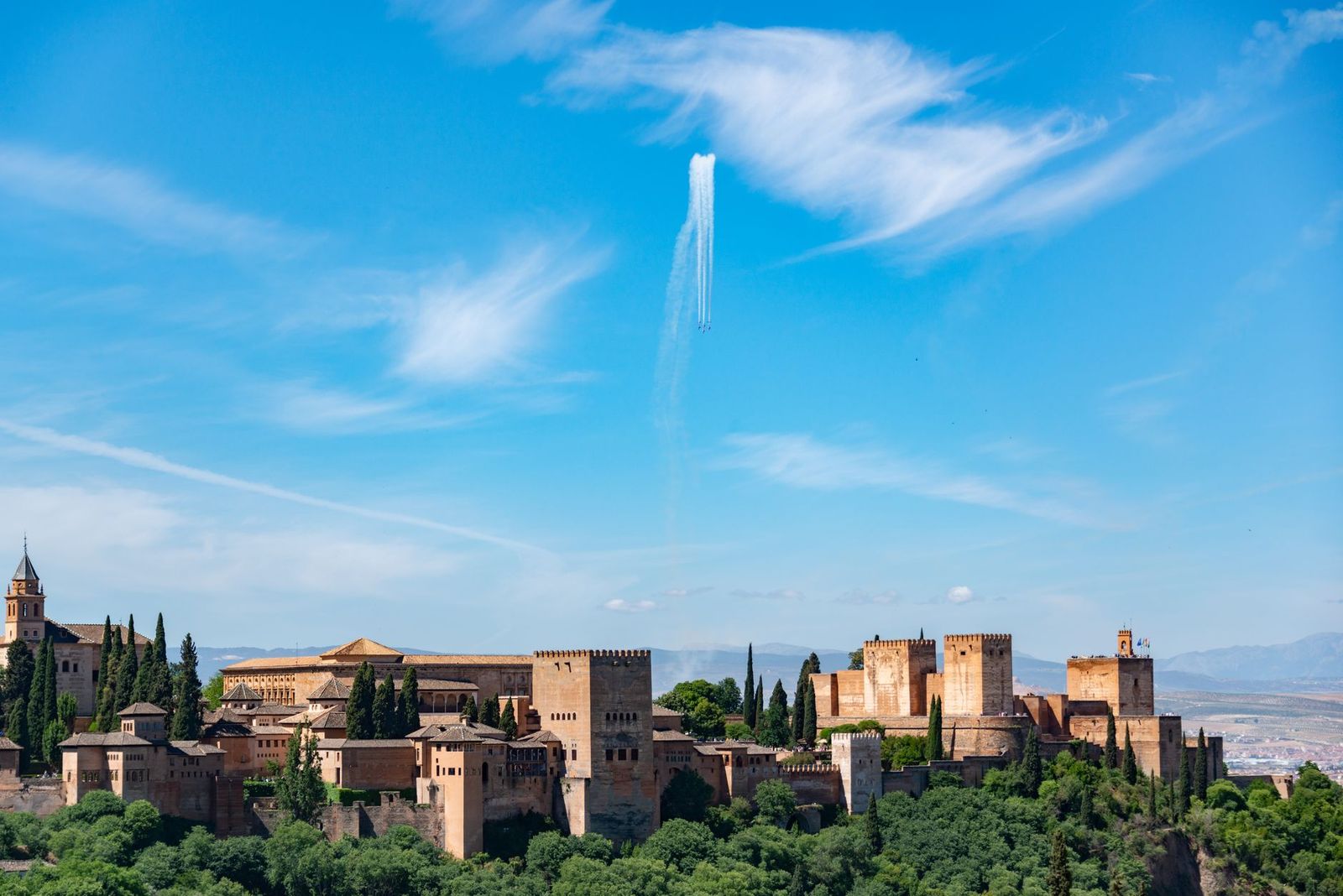
Al-Andalus is the Arabic name for the parts of Spain and Portugal under Muslim rule from 711 until the fall of Granada in 1492, though the territory changed over time. Abd al-Rahman I made Cordoba the capital of his Umayyad emirate in 756. One source says Cordoba reportedly had a library of 50,000 volumes and was a major cultural center from which learning passed on to Europe.
Week 6: The Ottomans
On May 29, 1453, Mehmed II’s forces captured Constantinople, the capital of the Byzantine Empire. The Ottoman realm lasted until 1922.
Week 7: Mali and Timbuktu
Mansa Musa, ruler of Mali, made a famous pilgrimage to Makkah in 1324, stopping in Cairo on the way. One encyclopedia reports a retinue in the thousands and so much gold spent in Cairo that it nearly wrecked the local economy. Timbuktu had several universities from the fifteenth century, including Sankore, which taught the Quran, hadith, law, theology, rhetoric, logic and Arabic grammar.
Week 8: Southeast Asia
Our source says traders and Sufis brought Islam to Southeast Asia by 1290, starting in Sumatra. The port of Melaka was founded around 1400, and its court adopted Islam in the 1420s, which drew Arab, Persian and Indian Muslim traders.
Week 9: Muslims in America
Muslims arrived in North America as enslaved West Africans, as immigrants, and as converts. One entry names several enslaved Muslims, including Omar Ibn Said, brought to southern plantations in the early 1800s, and Abdul Rahaman, a Fula prince who was enslaved for decades in Natchez, Mississippi, before he was freed. One encyclopedia entry says little of this early practice survived. Another entry describes immigrants from the Ottoman lands, mainly Arabs from greater Syria, traveling to the United States between 1875 and the First World War. They settled in places such as Quincy, Massachusetts and Cedar Rapids, Iowa, where the community eventually established the Mother Mosque of North America.
Week 10: Review
Hold a quiz, finish the map and timeline, and tell one story from each era.
Activities for ages 5 to 8
- Story and sketch. Hear one short story a day and draw one picture.
- Find the city. Locate Damascus, Baghdad, Cordoba, Istanbul, Timbuktu and Melaka on a map.
- Caliph leaves. Make four paper leaves, one per caliph, with a one-line fact on each.
- Gold and trade game. Play traders crossing the Sahara or the sea, swapping paper goods.
- Name cards. Match a person to a place and a day.
Activities for ages 9 to 13
- Source notes. For each week, write three facts and name the source.
- Compare claims. Choose one claim, such as the House of Wisdom’s founding, and find where sources disagree.
- Biography page. Write 200 words on Mansa Musa, Hunayn ibn Ishaq, Thabit ibn Qurra or Omar Ibn Said.
- Timeline with regions. Use one color per region.
- Cause and effect. Explain how trade brought Islam to Southeast Asia, in five sentences.
- Debate. Who made the biggest contribution to learning, and why?
Discussion questions
- Why did Baghdad become a center of learning?
- What does it mean that Cordoba passed learning on to Europe?
- How did traders and scholars spread Islam in Southeast Asia?
- What can we learn from the lives of enslaved Muslims in America?
- Which era would you most like to study further?
The unit project: a map and timeline
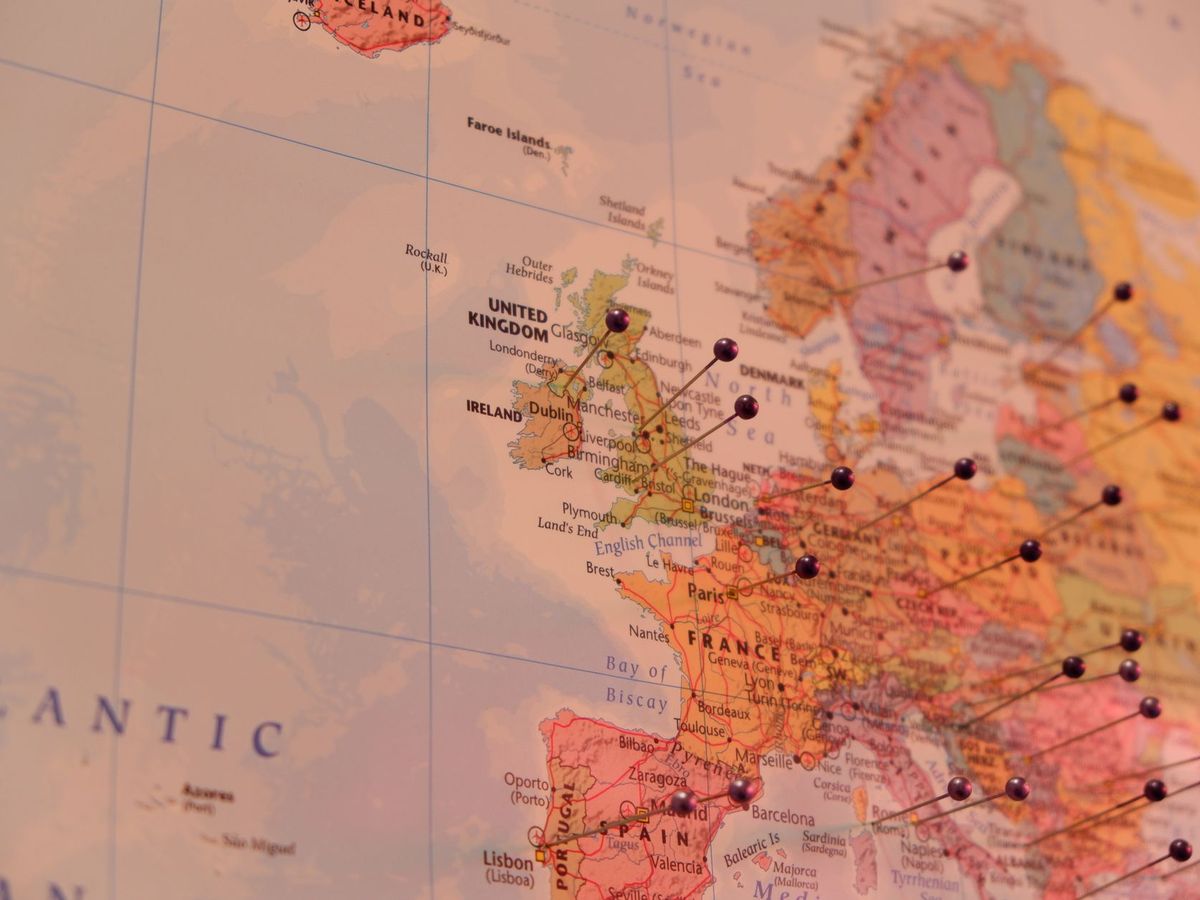
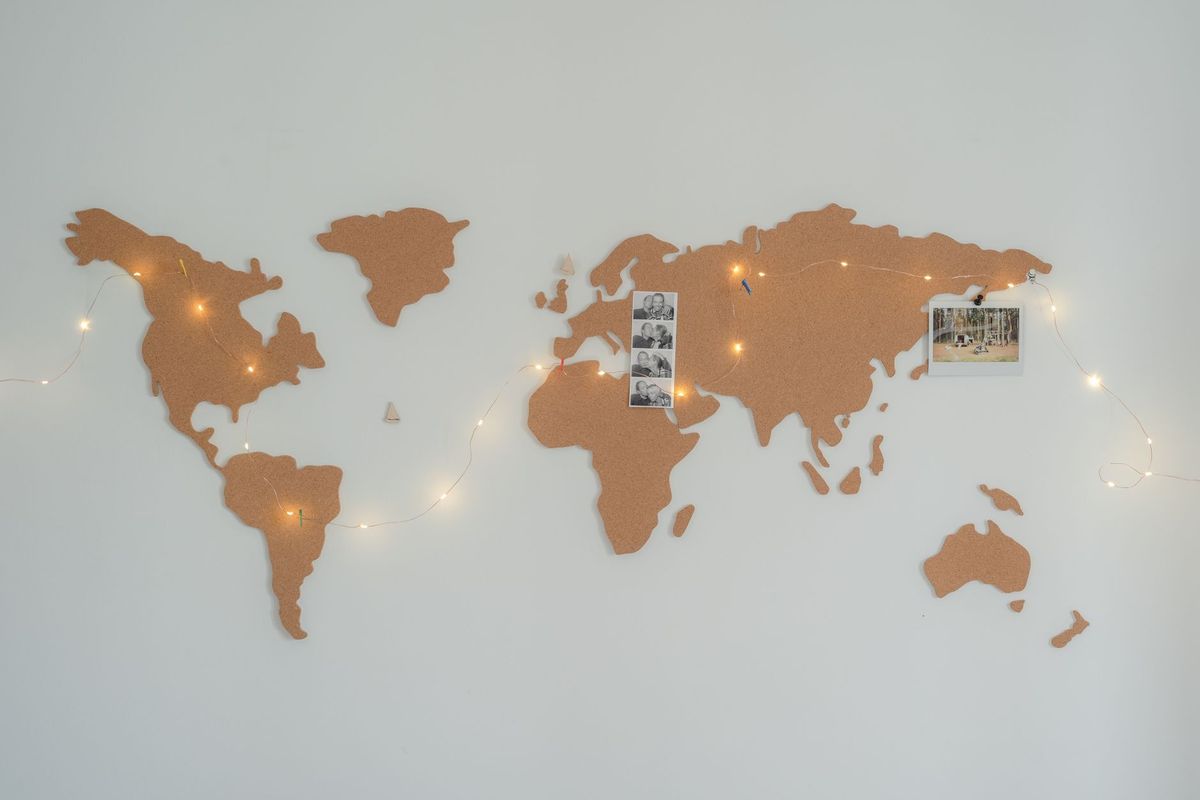
Tape a world map to a wall. Mark Damascus, Baghdad, Cordoba, Istanbul, Timbuktu, Melaka and Cedar Rapids. Run a string to a timeline below the map, with one card per era and one fact per card. Let each child present one era to the family.
How to wrap up
- Hold the quiz.
- Have each child present one era to a relative.
- File the map and timeline in a binder.
- Pair this unit with Islam across subjects to link science and math to the stories you have covered, or go next to the stories of the prophets.
If you want to plan it across the year, use the schedule builder or see the Islamic calendar year plan.
Common questions
What order should Muslim history be taught in?
Start after the Prophet's life with the first four caliphs, then follow the dynasties in order: Umayyads, Abbasids, then regional stories such as al-Andalus, the Ottomans, West Africa, Southeast Asia and America.
What was the House of Wisdom?
It was a scientific academy and library in Baghdad. One encyclopedia credits the caliph al-Ma'mun with setting it up and says it supported translation of Greek and Syriac works into Arabic.
Who were the rightly guided caliphs?
Sunni Muslims use this name for the first four successors of the Prophet: Abu Bakr, Umar, Uthman and Ali. Their rule is dated about 632 to 661.
Are there books I should buy for this unit?
No. The unit is built from the free sources listed at the bottom of the page. We did not confirm any children's history book to recommend, so we have not listed one.
- Rashidun, Encyclopedia.com
- Empires: Umayyad, Encyclopedia.com
- Greek Texts are Translated into Arabic, Encyclopedia.com
- Abu al-'Abbas Abdallah al-Ma'mun ibn al-Rashid, Encyclopedia.com
- Baghdad, Encyclopedia.com
- Islam in Andalusia, Encyclopedia.com
- Cordoba (Spain), Encyclopedia.com
- Constantinople, Fall of, Encyclopedia.com
- Ottoman Empire, Encyclopedia.com
- Mansa Musa, Encyclopedia.com
- Timbuktu, Encyclopedia.com
- The Spread of Islam, Encyclopedia.com
- Melaka, Encyclopedia.com
- Islam in North America, Encyclopedia.com
- United States, Islam in, Encyclopedia.com