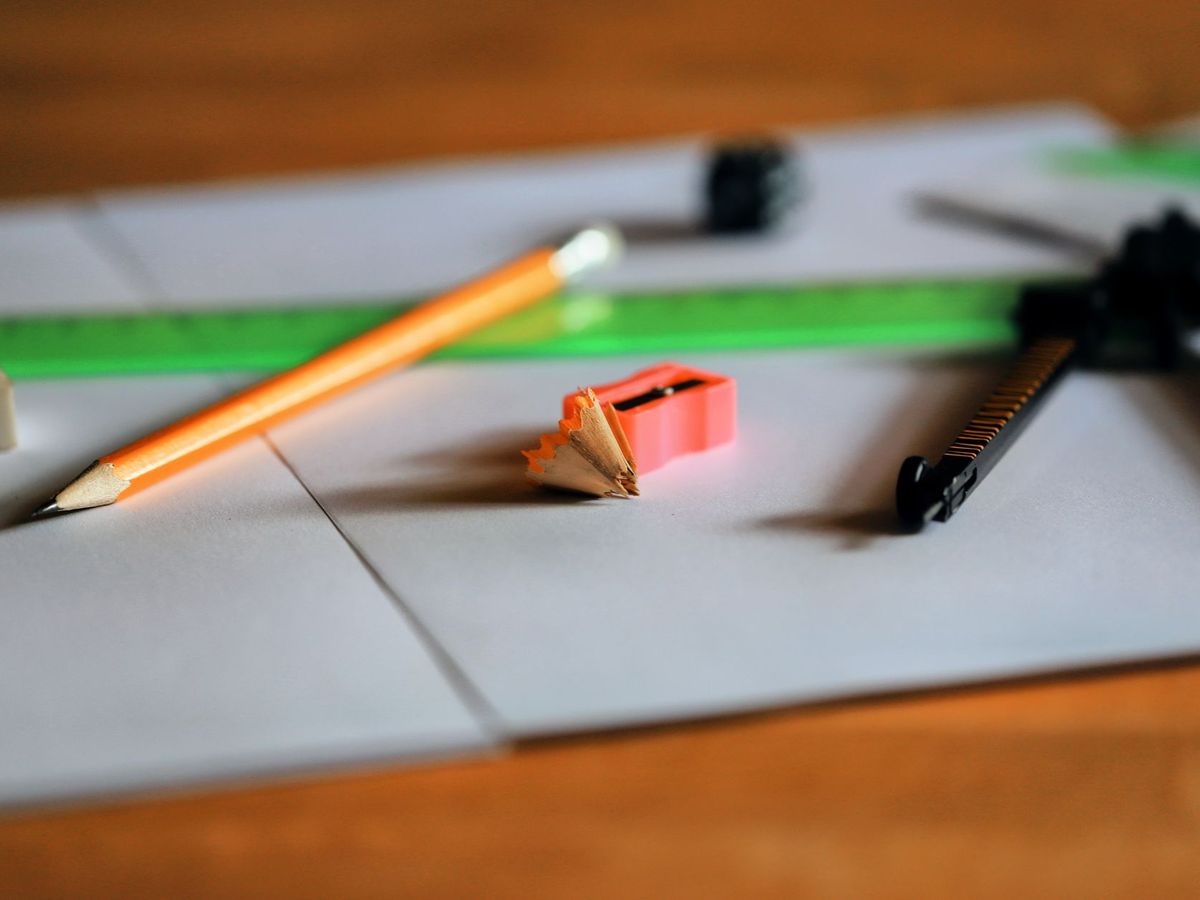
Start with the aim
When people say “Islamic worldview,” they often mean different things. Some mean teaching the whole curriculum from Islamic textbooks. Some mean using general textbooks and adding talks and projects. Some mean a mix. Muslims differ on this, and we do not tell you which is correct. Our curriculum guide compares options.
Whatever you choose, a few ideas help:
- Good teaching comes first. A child who understands fractions or grammar is learning something useful. Faith links should add to a lesson, not replace it.
- Link only where it is real. If a connection feels forced, skip it.
- Ask, do not tell. “What do you notice about this pattern?” works better than a speech.
- Keep it occasional. A few strong links per term beat a weak one in every lesson.
- Be honest about history. Do not repeat a claim just because it sounds inspiring. Check it.
Ideas by subject
| Subject | Lesson idea | What your child does |
|---|---|---|
| Math | Geometry and Islamic patterns | Draw a repeating star or tile pattern with a compass and ruler, then name the shapes and angles |
| Math | Algebra origins | Read a short biography of al-Khwarizmi and solve a simple equation by “balancing” both sides |
| Math | Fair shares | Work out fractions and percentages in a charity or zakat-style sharing problem, using made-up numbers |
| Science | Sky and prayer times | Track sunrise and sunset for a month, and see how the times shift |
| Science | Finding the qibla | Use a map and a compass, or a phone tool, to find the direction of the Kaaba from your home |
| Science | Light and vision | Do a simple pinhole viewer or mirror experiment, and read about Ibn al-Haytham’s optics |
| English | Muslim authors | Read picture books, novels and poems by Muslim writers and discuss the characters |
| English | Writing about gratitude | Write a thank-you letter or a descriptive piece about a favorite place |
| History | Muslim scientists | Build a timeline of two or three scholars from reliable sources |
| History | Local and family history | Interview an elder about their work, travels or migration |
| Art | Calligraphy | Practice simple letter forms with a reed pen or marker, and copy a phrase you know well |
| Art | Pattern and design | Make a tile or border design from repeating shapes |
Each row is a starting point. You do not have to do them all.
Math
Patterns and geometry
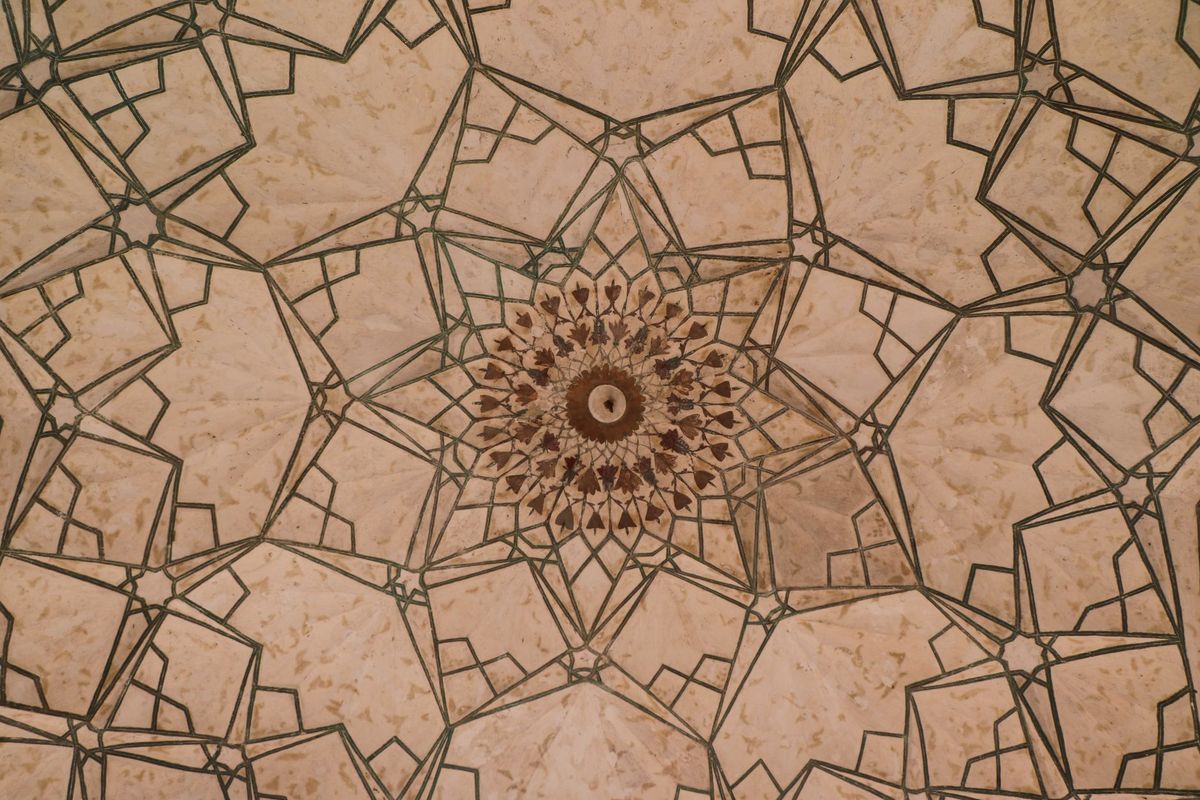
Many buildings, books and objects in Muslim cultures use repeating geometric patterns. They make a good, hands-on way to practice shapes, angles, symmetry and measurement.
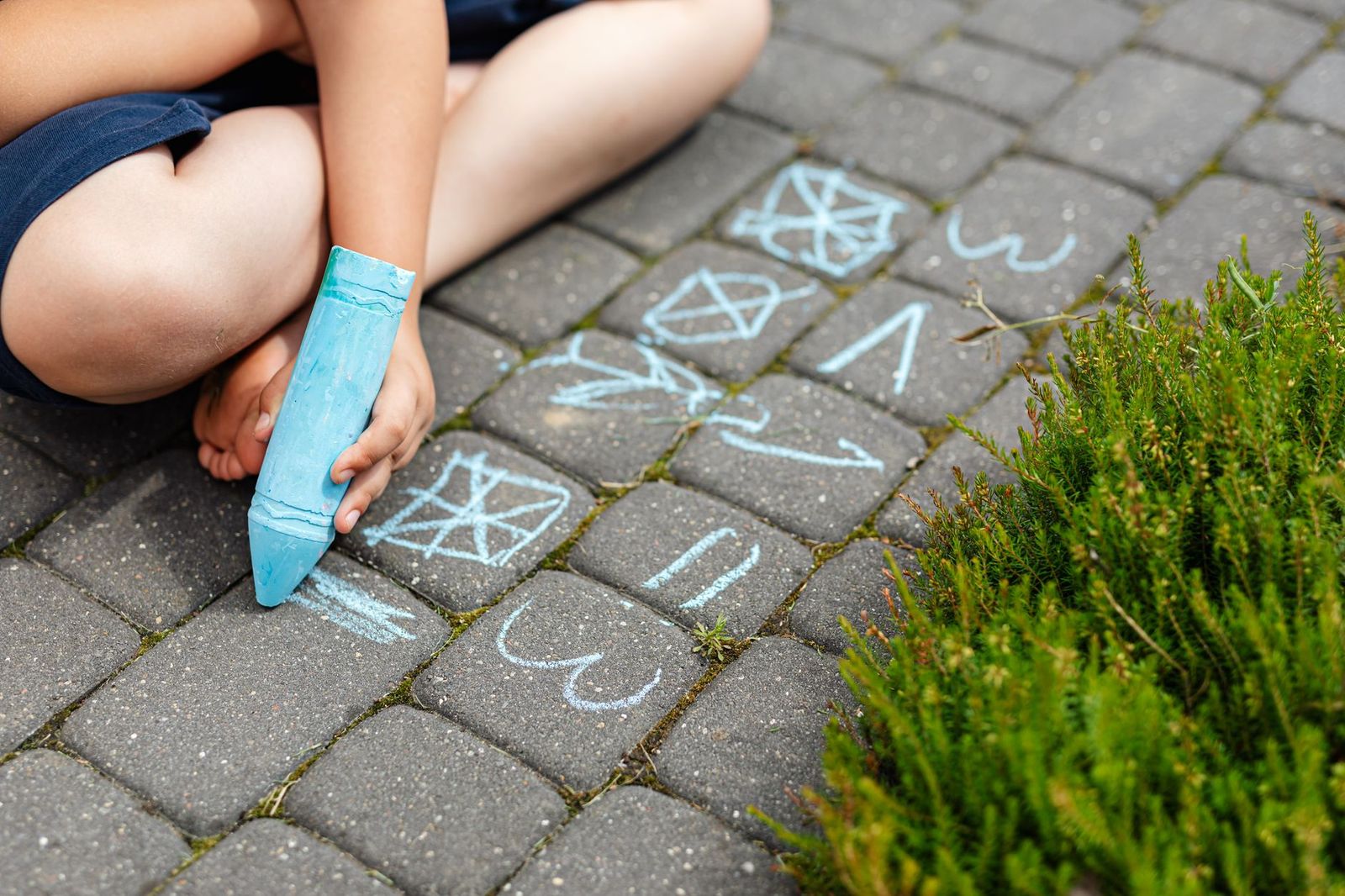
Try this over a week:
- Draw a circle with a compass.
- Divide it into equal parts using the same compass setting.
- Join points to make stars and polygons.
- Repeat the shape to fill a page.
- Color it and name the shapes, angles and symmetries you see.
- Look at photos of tiles or book covers and find the same ideas.
You do not need to say anything about religion at all. The patterns open the door, and your child may ask questions.
Algebra and its history
The MacTutor history of mathematics site, run by the University of St Andrews, describes Muhammad ibn Musa al-Khwarizmi as an Islamic mathematician. It gives his birth as about 780 and his death as about 850. It says his algebra treatise, Hisab al-jabr w’al-muqabala, gives us the word “algebra” and can be considered the first book written on algebra. It also says that the word “algorithm” comes from his name, through a Latin translation of his work on Hindu-Arabic numerals.
Use this as a short biography lesson, then do a hands-on task: solve something like “x + 5 = 12” by keeping both sides balanced, and talk about why the word “al-jabr” has stuck. The same source notes how little we know of his life, and that people have guessed more than the evidence supports. That is a useful lesson in itself: how to tell what we know from what we assume.
Sharing and fairness
Make up word problems about sharing food, dividing a harvest, or giving to people in need. Use invented numbers and clearly say they are examples. Do not state any rules about zakat amounts here. If your child asks how zakat is worked out, point them to a qualified teacher.
Science
Sky, time and direction
Prayer times depend on the position of the sun. This makes astronomy real.

- Track the sun. For a month, record sunrise, sunset and noon in a chart. Look at how they change.
- Shadows. Measure a shadow at the same spot every hour and find when it is shortest.
- Find the qibla. Use a map, a compass or a phone tool to find the direction. Ask why direction on a round Earth is not as simple as it looks on a flat map.
- Moon phases. Watch the moon for a few weeks and draw it each night. This links well to the Islamic calendar. See our page on planning the year for related ideas.
Light and optics
The MacTutor site describes Ibn al-Haytham, also known as Alhazen, as an Islamic mathematician who wrote early works on optics, and gives his dates as 965 (possibly) to 1040 (possibly). It says his investigation of light was based on experimental evidence rather than abstract theory, and that he gave the first correct explanation of vision, showing that light is reflected from an object into the eye.
A good lesson to go with it:
- Make a pinhole viewer from a box.
- Look at how an upside-down image forms.
- Shine a flashlight at a mirror and observe the angles.
- Ask: “How do we know how we see?”
- Read a short, age-appropriate summary of his work.
Nature and wonder
Many families teach science with a sense of wonder and thanks. A nature walk, a seed-growing project or an insect study can end with a few quiet minutes of noticing. If you want to add a verse, choose one with a qualified teacher and read it in a trusted translation. Do it sometimes, not every time.
English
- Read Muslim authors. Fiction, poetry and picture books by Muslim writers let children see themselves. Choose books for their quality as stories. Preview them first, as you would any book.
- Read widely, too. Classics, nature writing, adventure and humor all belong on the shelf.
- Discuss character. Ask what a character does when they are tempted, scared or proud, and what the choices cost. Children will connect with their own values without being told.
- Write. Letters, journals, short stories, descriptions, and short talks. Practice persuasive writing with topics your child cares about.
- Teach vocabulary with Arabic roots where your child already knows Arabic words. It can be a fun detour and a way to connect languages.
History
History is where it matters most to check your claims. Popular posts online often attribute inventions or discoveries to Muslim scholars with no sources, or inflate them. Children who find out later that something was exaggerated may lose trust in the rest.
A few habits that help:
- Use named, reliable sources. University sites, major encyclopedias and respected books are better than social media posts.
- Say what is known and what is uncertain. The MacTutor entries above say “about” and “possibly” for dates. Teach children to notice those words.
- Show people as people. They were learners, teachers and sometimes wrong.
- Connect histories. Knowledge moved between many places and peoples. Mapping that is more interesting than any single claim.
- Include everyday history. Food, travel, trade, clothing and family stories.
For a longer history plan, see Islamic history for kids and seerah for kids.
Art
- Calligraphy. Practice the strokes of simple Arabic letters, or write your child’s name. Use a marker or reed pen on graph paper.
- Pattern and tile design. Make a border, a tile or a star from repeating shapes. This links back to your math lesson.
- Nature drawing. Draw leaves, flowers and shells with attention to detail.
- Craft and building. Make a model of a mosque courtyard from cardboard, or a paper lantern.
- Look at art. Visit a museum or look at books together, and ask what your child notices.
How to keep it from becoming a sermon
- Plan the lesson first. Write down the subject goal before any faith link.
- Add at most one link. A single question or small activity is enough.
- Start with a question. “What do you think?” invites thought.
- Let silence work. If your child does not respond, that is fine.
- Stay open. If your child raises a hard question, say “Let us find out,” then ask a qualified teacher.
- Notice mood. If your child groans when the link comes, drop it for a while.
- Model it. Children learn how faith fits in life from how you live it.
A simple term plan
- Week 1-2: Math patterns and geometry
- Week 3: Sun and shadow tracking
- Week 4: A Muslim author read-aloud
- Week 5-6: A calligraphy or pattern art project
- Week 7: A short biography lesson, using a reliable source
- Week 8: A review and a family show-and-tell
For how this fits into a day or a year, see our guides to homeschooling ages 5-10 and Muslim homeschoolers aged 11-18.
Checklist
- Choose one subject to try first
- Pick two or three of the ideas above
- Check every historical claim in a reliable source
- Keep the links light and optional
- Ask your child what they enjoyed
Common questions
Do I have to link every lesson to Islam?
No. Many families teach math or science as they are, and make a link only when it comes up naturally or adds something real. Forced links can make children feel that faith is tacked on.
How do I avoid turning lessons into sermons?
Ask questions instead of delivering lessons. Let the subject lead. Choose a few good connections per term instead of one in every lesson, and let your child draw conclusions.
Where can I check the history of Muslim scientists?
Use reference works with named sources, such as university history-of-mathematics sites and major encyclopedias, rather than social media posts. Many popular claims are exaggerated or unsupported, so check before you teach them.
Is it a problem if a textbook is not Islamic?
Not necessarily. Many families use general textbooks for math, science and English and add their own discussion, projects and reading. Review a book yourself first and decide what suits your family.