What changes at 11 and beyond
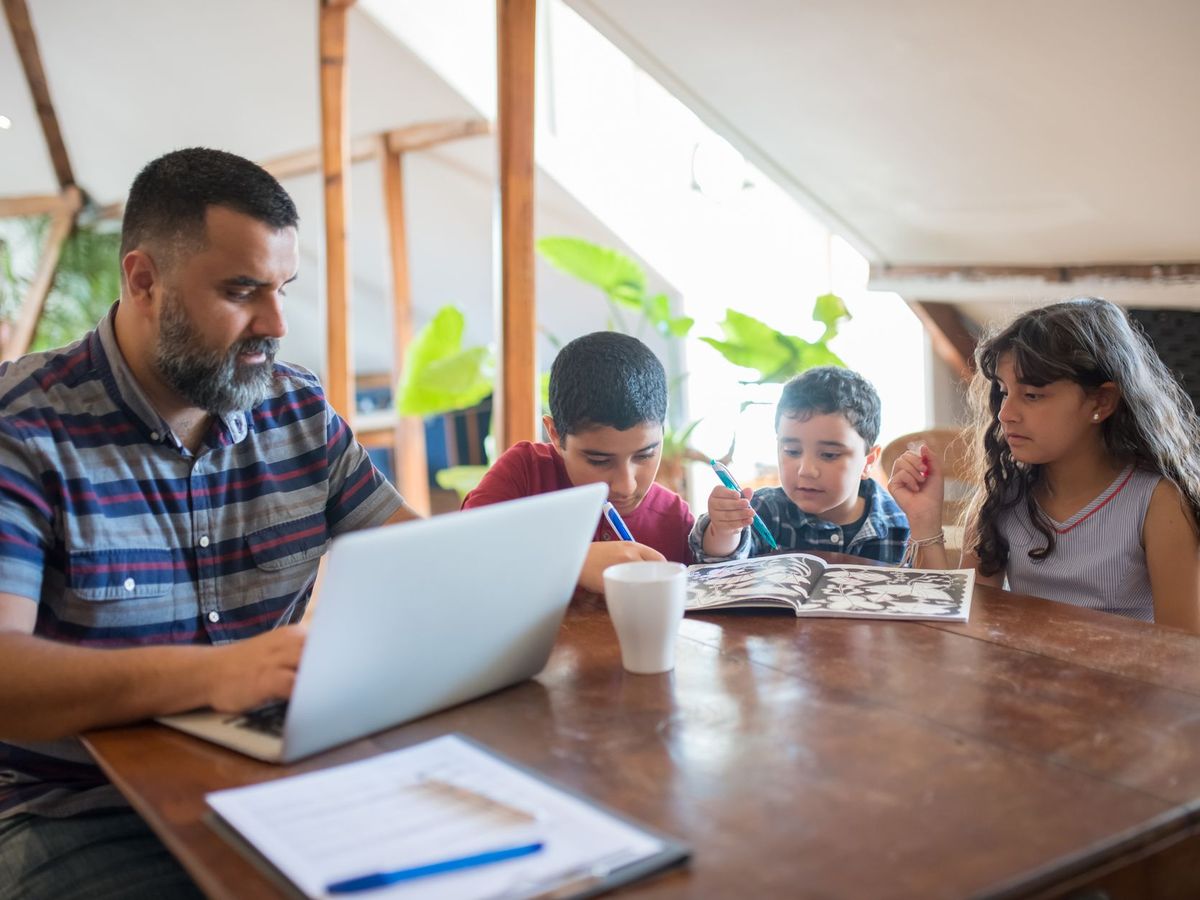
Around 11 or 12, a child starts to need more of three things: independence, depth, and a clear picture of where they are heading. Your role moves from teacher to coach. You still set the frame and check in often, but your teen does more of the reading, planning and practice.
If you are coming from the earlier years, our guide to homeschooling ages 5-10 shows the foundations to build on.
A simple way to think about the next years:
| Stage | Typical ages | Main focus |
|---|---|---|
| Bridge | 11-13 | Building study habits, longer projects, more independent reading |
| Core | 14-16 | Subjects in depth, records, first exams or college courses |
| Launch | 16-18 | Qualifications, college or work plans, service and mentorship |
Ages are loose. Many families blend stages or move at different speeds by subject.
Building independence
Independence is a skill you teach step by step.
- Give a weekly list, not daily orders. Start with a short list of tasks for the week and let your teen choose the order.
- Teach planning. Use a paper planner or a calendar. Plan around prayer times. Our schedule builder can help.
- Hold a short weekly meeting. Ten or fifteen minutes to look at what went well, what is stuck, and what comes next.
- Let them choose some things. A topic for a research project, a book, an elective.
- Allow mistakes. A missed deadline now teaches more than a missed one later.
- Teach how to learn. Note-taking, summarizing, asking good questions, using a library.
Some teens work well alone. Others need company. A co-op, study group or online class can give structure and friends.

Deeper Islamic studies
Teens can handle more depth, and many are hungry for answers to real questions. Some areas families often cover:
- Quran: continued recitation with tajweed, memorization and review, and study of meaning with a qualified teacher
- Aqeedah (belief): the basics studied in a structured way
- Fiqh (practical law): worship, ethics and everyday matters
- Hadith: a short, well-known collection studied step by step
- Seerah and Islamic history: moving from stories to a fuller timeline and analysis. See seerah for kids and Islamic history for kids for older-child extensions.
- Tazkiyah and character: habits, sincerity and service
Muslims differ on some of these, including which madhab to follow in fiqh and which texts to start with. We do not rule on that. Ask a qualified teacher or imam you trust, and choose a path that matches your family’s tradition. A good teacher can often do more than a good book, so look for classes at your masjid, online teachers who are accountable to a known institution, or a local scholar who is willing to tutor.
For Arabic, many teens continue with grammar and vocabulary at a steady pace, because it opens the Quran and classical texts. See the Arabic curriculum guide for options, and note that Quranic Arabic and modern standard Arabic are different paths.
Records and qualifications
This is where the US and UK differ most. Always check local rules and each college’s own requirements.

In the US
- Records are the parent’s job. Homeschool families usually keep a list of courses, textbooks or resources used, grades and credits for each year, and turn it into a transcript. Start in grade 9, or earlier, and update it each term.
- Keep samples. A folder of writing, lab notes, reading lists and project work helps if a college asks for evidence.
- Standardized tests. Many colleges look at test scores such as the SAT or ACT, though policies vary. Check each college’s page, and find out how to register as a homeschooled student.
- Dual enrollment at a community college. Some teens take college courses while still in high school. It can give a college-level transcript and help show readiness. Ask the college about age limits, costs and how homeschoolers apply.
- Know your state’s rules. Some states ask for notices, records or assessments. See our guide to homeschooling in the US.
We have not verified the details of any particular college’s homeschool policy here, so treat the list above as what to ask about, not as a promise of what any college will accept.
In the UK
- Public exams are possible. The government’s guidance for England says parents may expect their child to sit public examinations such as GCSEs, and that they must be entered through an external exams center, which may be some distance away.
- Parents pay. The same guidance says parents must be prepared to cover the cost of public exams, though some local authorities may offer help at their discretion.
- Plan early. Exams centers have their own deadlines and rules, and practical elements such as coursework or science practicals may need extra arrangements. Contact centers early to ask what they offer.
- Pick an exam board and specification. GCSEs and IGCSEs are set by different boards. We have not verified current board rules here, so check each board’s own site and your chosen center before you enroll.
- Know the legal framework. Our guide to homeschooling in the UK explains where to begin. The guidance cited here is for England. Wales, Scotland and Northern Ireland have their own rules.
A sample week for a 14-year-old
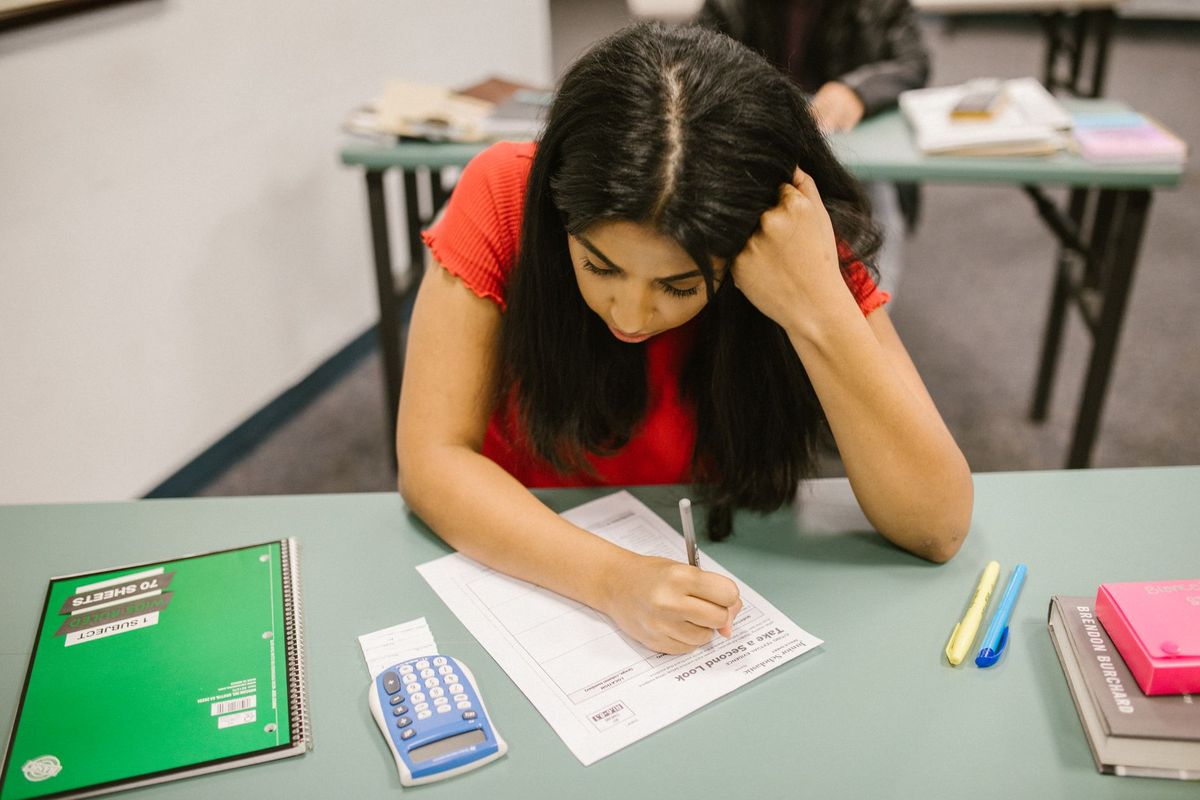
This is only an example. A family might try something like this for a student who has a mix of independent work and some teacher-led time.
| Time | Mon | Tue | Wed | Thu | Fri |
|---|---|---|---|---|---|
| After Fajr | Quran review | Quran review | Quran review | Quran review | Quran review |
| Morning block 1 | Math | Math | Math | Math | Math review |
| Morning block 2 | English reading and writing | Science | English | Science | Project work |
| After Dhuhr | Arabic | Islamic studies class | Arabic | Islamic studies class | Jumu’ah |
| Afternoon | History | Elective | History | Elective | Service or mentor time |
| Evening | Free reading | Sport | Free reading | Sport | Family |
Adjust to your own prayer times, and to the needs of your teen.
Beyond textbooks: mentorship, service and work
Teens are ready for the world beyond the kitchen table. This is also where homeschooling can shine.

- Mentors. Look for an adult your teen respects, such as a teacher, a professional in a field of interest, or an older student. Meeting regularly can matter as much as any course.
- Volunteering at the masjid. Helping with the youth program, the library, the food drive, a clean-up, or Quran classes for younger children builds responsibility and belonging.
- Community service. Food banks, hospitals, environmental projects and elderly care all work. Ask your teen what moves them.
- Career exposure. Visit workplaces, interview people in jobs your teen finds interesting, shadow someone for a day if a business agrees, or take a short course in a skill.
- Part-time work or a small project. Tutoring, a craft business or a web project teaches money, time and people skills.
- Writing and speaking. Essays, debates, a public talk or a small blog help with confidence and clarity.
Keep a simple log of these things. It will help with records, applications and your teen’s own sense of progress.
Keeping teens connected
Teens still need friends and a place to belong. Regular masjid involvement, a co-op, sports teams, online classes with live peers, and shared projects can all help. If your teen feels lonely or low for long, talk with them, and consider speaking to a doctor or a trusted counselor.
Checklist for the teen years
- Start a transcript or course list (US) or choose an exams center and board (UK)
- Set up a weekly planner and a weekly check-in
- Find a qualified Islamic studies teacher or class
- Plan Arabic study for the year
- Add a mentor, service role or work exposure
- Keep samples of work in a folder
- Ask colleges or exams centers what they require, in writing if possible
Common questions
Who keeps high school records for a homeschooled teen in the US?
In general, in the US, the parent does. Families usually keep a list of courses, grades and credits and turn it into a transcript. Colleges set their own requirements, so check what each one asks for.
Can UK homeschoolers sit GCSEs?
Yes, home-educated students can sit public exams, but they enter through an external exams center, and parents bear the cost. Some local authorities may provide financial or other assistance, but this is discretionary. The GOV.UK guidance for England says this. Check with a center early, because places and deadlines vary.
What is dual enrollment?
It usually means a high school student takes college courses, often at a local community college, while still in high school. Rules, costs and age limits differ by college and state, so ask the college directly.
How can a teen deepen their Islamic studies at home?
Common routes include a structured text studied with a qualified teacher, regular classes at the masjid, memorization and review of the Quran, Arabic study, and reading seerah and history. Choose teachers you trust.