What these years are for
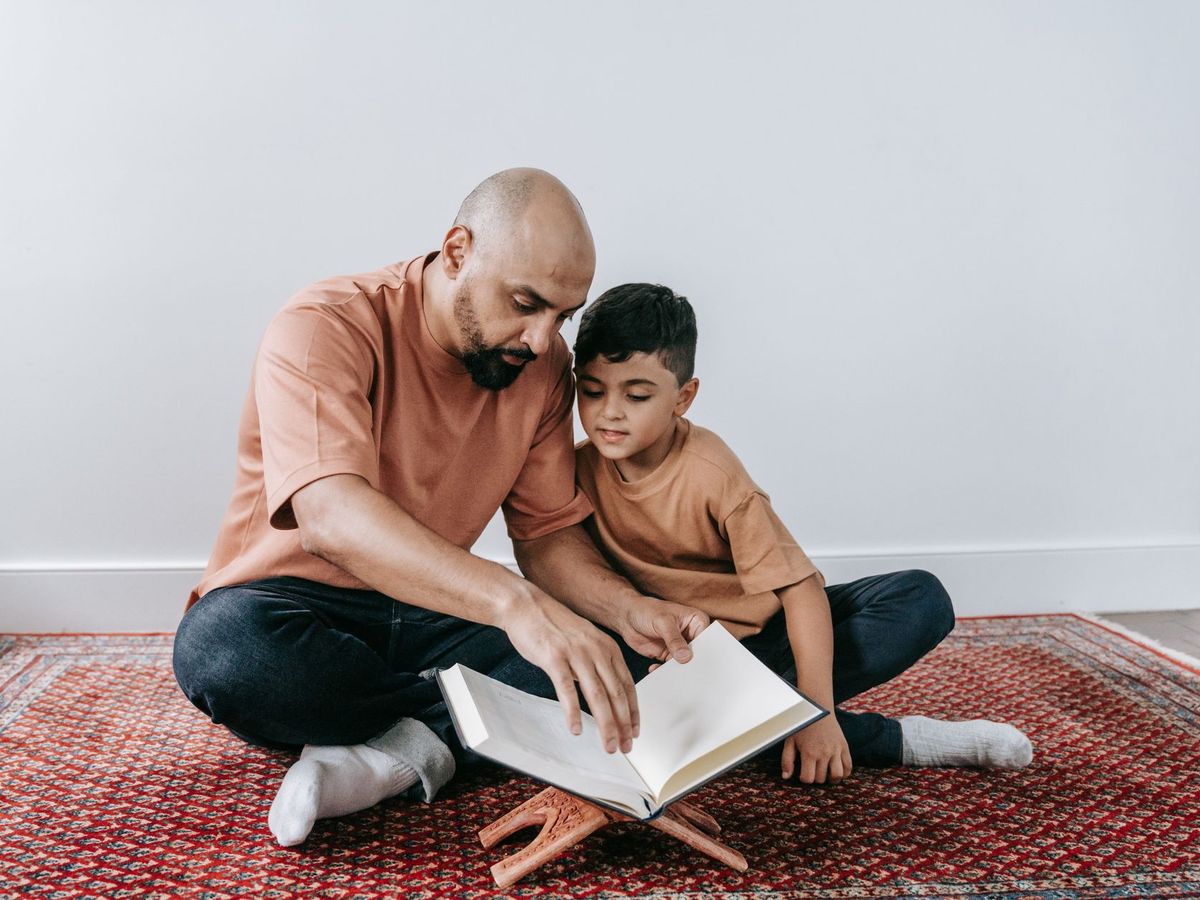
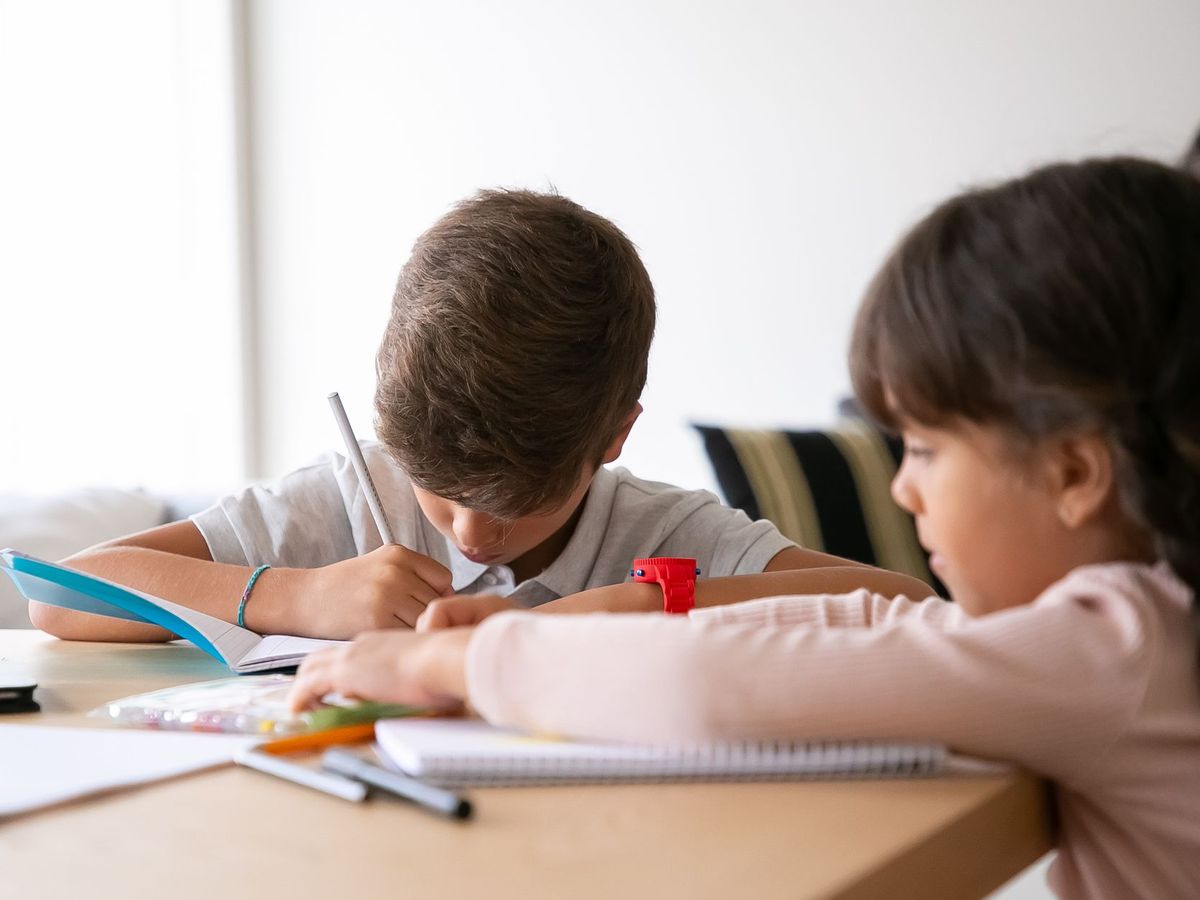
Between 5 and 10, children build the tools that every later subject depends on: reading well, writing clearly, working with numbers, and loving to learn. In a Muslim home, this is also when many children start reading the Quran, learning to pray, and picking up Arabic.
You do not need to do everything at once. A strong, calm routine in a few things beats a crowded timetable.
If you are choosing materials, our guides on the Islamic homeschool curriculum and free Islamic curriculum options compare what is available.
The core: what to cover
| Area | What it can look like at ages 5-10 |
|---|---|
| Reading and writing | Daily reading aloud, phonics, then chapter books; copywork, short journal entries, simple stories |
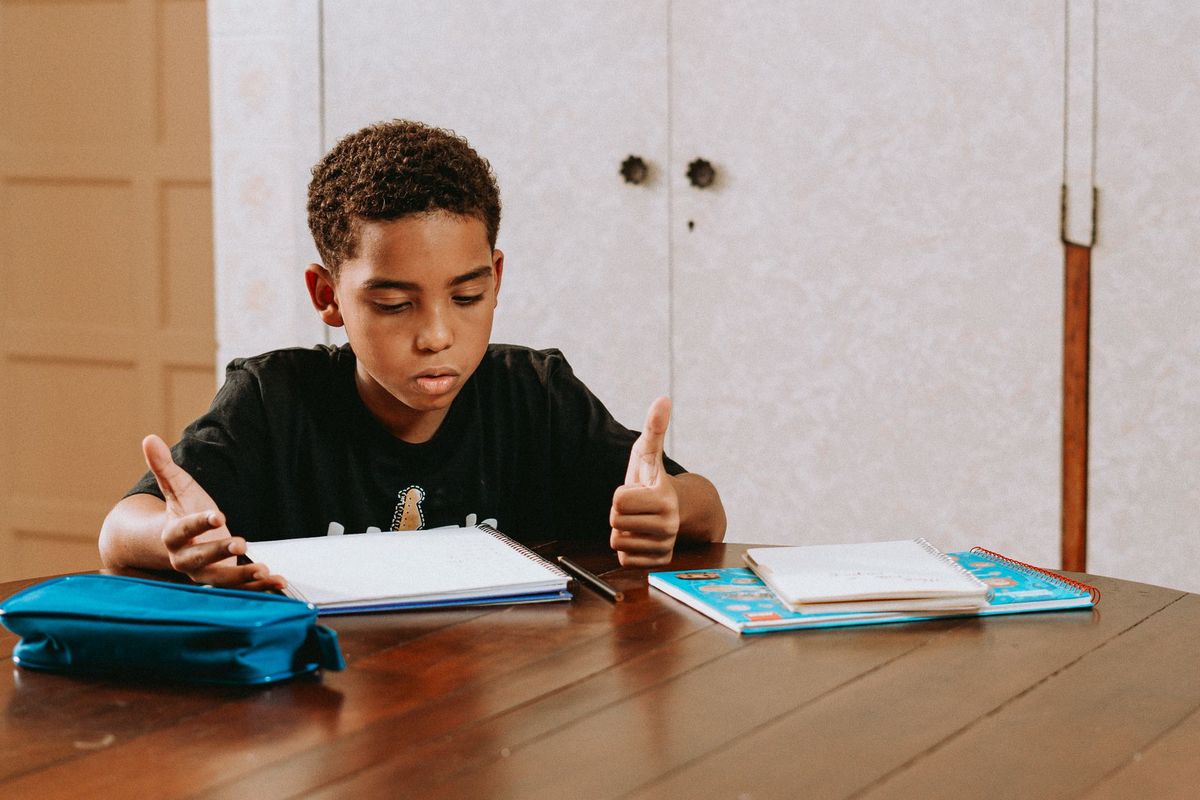
| Math | Number sense, place value, add and subtract, then times tables, fractions, simple measuring |
| Quran | Reading practice, recitation of short surahs, tajweed basics as the child is ready |
| Arabic | Letters and sounds, then simple words and phrases |
| Islamic studies | Stories of the prophets, the life of the Prophet, basics of belief and worship, manners (adab) |
| Science | Nature walks, simple experiments, library books, keeping a nature notebook |
| History and geography | Stories, maps, timelines, family history |
| Art and movement | Drawing, crafts, music or nasheeds, sport, outdoor play |
Your local rules may list subjects you must cover. Rules differ a lot by place. For England, the government’s guidance says parents must provide a suitable, efficient full-time education, and sets out what that means in practice. See our pages on homeschooling in the UK and the US for where to look.
Reading and math foundations
Reading
Reading is the key that opens everything else. A simple approach:
- Read aloud every day, even once your child can read alone. Children understand more complex stories by ear than by eye.
- Teach phonics in short, regular lessons. Ten to fifteen minutes a day is enough for many children.
- Let your child read to you from books at a comfortable level, a page or two at first.
- Mix in Muslim authors and stories alongside classics and library favorites. Our page on bringing an Islamic worldview into every subject has ideas for reading lists.
- Visit the library often. Let your child pick some books freely.
Many children read late, then catch up. If you are worried, talk with a teacher, a pediatrician or a reading specialist, and keep reading together in the meantime.
Math
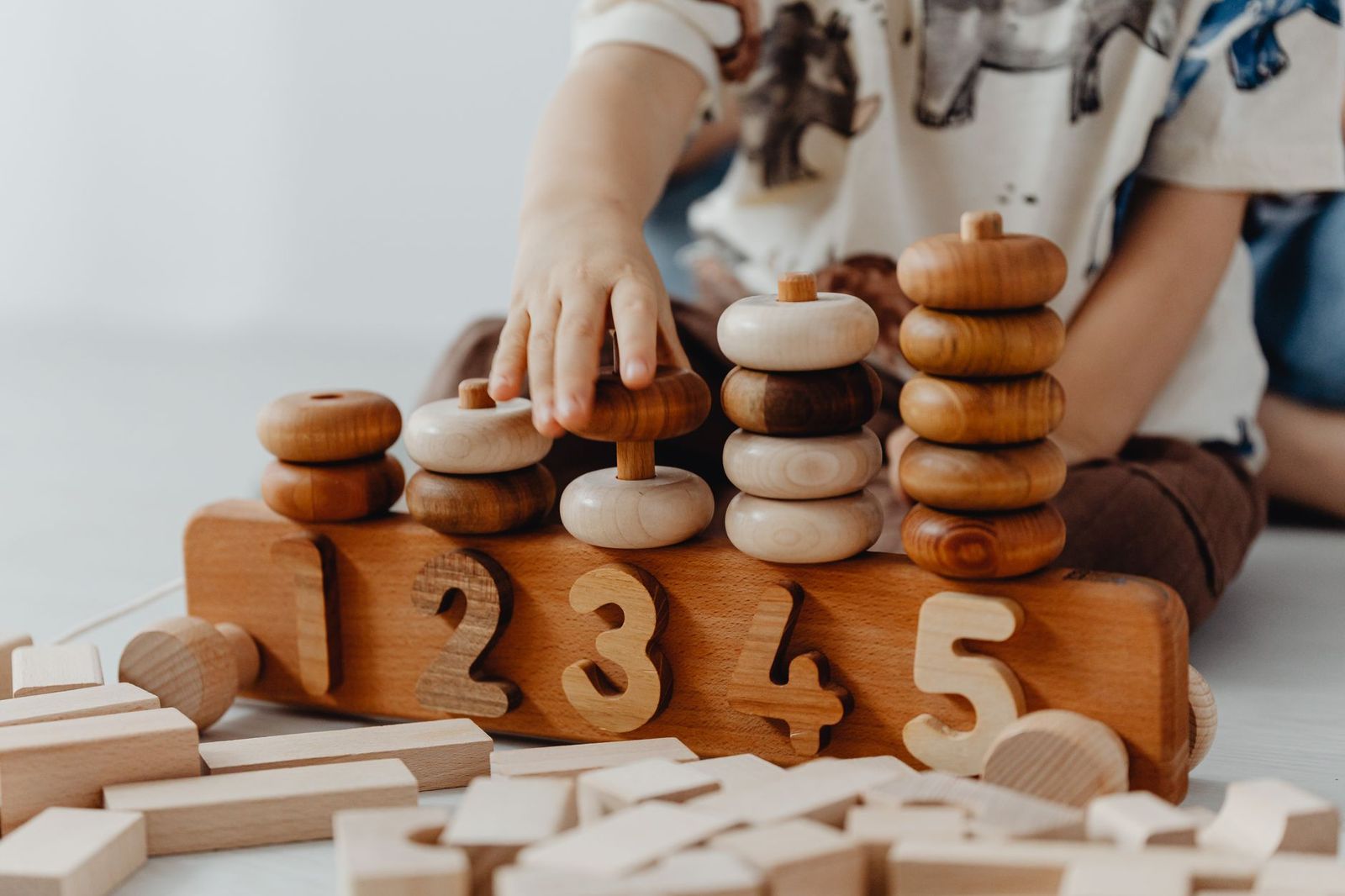
Math rewards short, regular practice and concrete objects.
- Use real things to count and share: dates, coins, blocks, pizza slices.
- Move from objects to drawings to numbers.
- Practice facts in short bursts, using games and songs.
- Talk through problems aloud: “How did you work that out?”
- Do not skip ahead until the basics feel solid. A child who knows place value and times tables well will find later math much smoother.
If a lesson ends in tears, stop, take a break, and try a different way tomorrow.
Quran, Arabic and Islamic studies
Quran
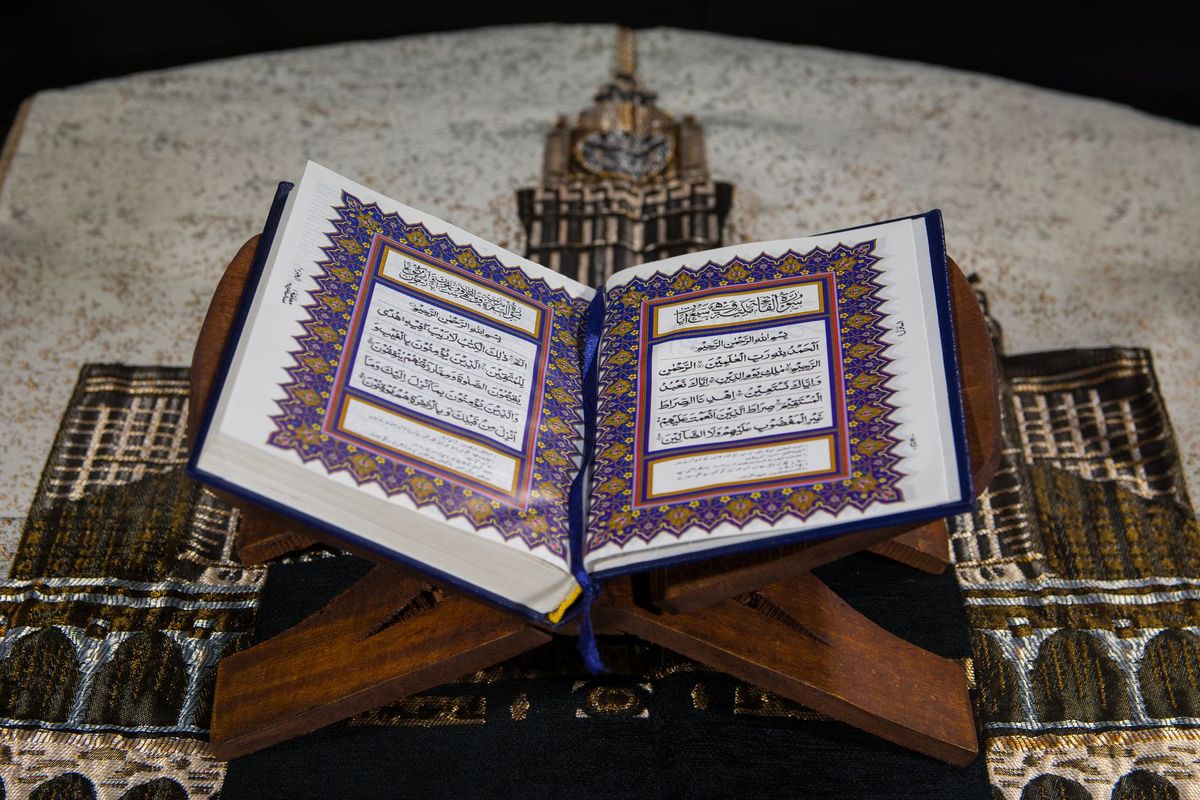
Many families do Quran first thing, when children are fresh. A typical pattern is:
- Reading or recitation: 15 to 20 minutes with a parent or teacher
- Memorization: a small portion, reviewed daily
- Review: a short revisit of what was learned before
Where Muslims differ on method, such as how early to begin memorization, how much to emphasize tajweed, or which narration style to follow, ask a qualified teacher you trust. We do not take sides. Our Quran homeschool plan lays out stages and time per age.
The first words revealed include “Recite in the name of your Lord who created” (Quran 96:1, Sahih International). Many parents use this as a gentle reminder of why reading matters, in Quran and out of it.
Arabic
Start with letters and sounds, add simple words, and keep it playful. Songs, flashcards, labels around the house and short daily practice work well. See the Arabic homeschool curriculum guide for paths and trade-offs.
Islamic studies
A simple scope for these years:
- Stories of the prophets and the life of the Prophet, peace be upon him
- The basics of belief and practice, taught in steps
- Learning to pray, with patience and practice (see teaching salah to children)
- Manners and character, taught by example every day
Our guide to Islamic studies curriculum for kids covers scope and sequence in more detail.
A sample week
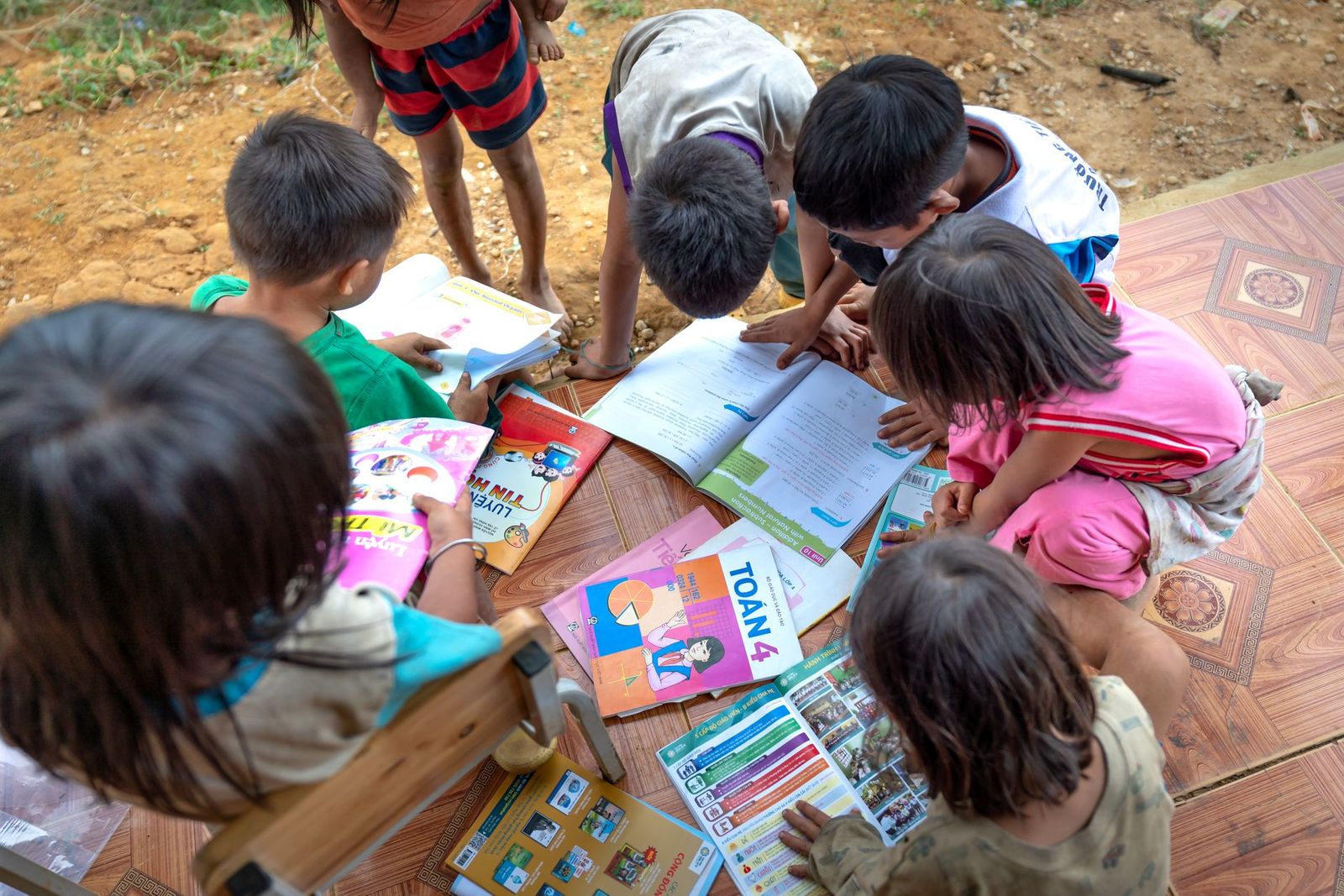
Here is one example. A family with a 6-year-old and a 9-year-old might try the pattern below. Adjust the times around your prayers and your children’s energy.
| Time | Monday to Thursday | Friday |
|---|---|---|
| Morning | Quran and Arabic (30 min) | Quran and Arabic (30 min) |
| Late morning | Reading and writing (45 min) | Read-aloud and journal (30 min) |
| Mid-day | Math (30-45 min) | Math games (20 min) |
| After lunch and prayer | Science or history (30-40 min, two days each) | Art, craft or nature walk |
| Afternoon | Free reading, chores, outdoor play | Masjid, co-op or library trip |
A few notes on the table:
- A younger child may need less time on each block, and an older child may do more on their own.
- Many families keep a shared “circle time” for stories, history and science, so siblings learn together.
- Our schedule builder can place this around your local prayer times. The daily routine guide shows other ways to shape a day.
How to keep it light
- Short lessons. Fifteen to thirty minutes per subject is plenty for many children at this age.
- Variety. Alternate sitting and moving. Mix talking, drawing, building and reading.
- Teach together. Siblings can share history, science, read-alouds and Islamic studies.
- Use real books. Good library books beat a heavy workbook stack.
- Leave room. Free time is where much real learning happens.
- Take breaks for prayer. Let the day follow the prayers, not the other way around.
- Younger siblings. A child under five can follow the preschool plan while you teach the older one. In Ramadan, switch to the lighter Ramadan schedule.
- Fix the rhythm, not the content. If you are tired, keep the routine and shrink the work.
Assessment without stress
Checking progress does not need to feel like an exam. Options include:
- Narration. Ask your child to tell back what they read or learned, in their own words.
- Work samples. Keep a folder with a few pieces of writing, math, art and Quran notes each term.
- Reading aloud. Listen to your child read and note what is easy and hard.
- Short oral reviews. A few friendly questions at the end of a unit.
- A simple log. Note what you did each day in a line or two.
- Checklists. List the skills you want your child to have by the end of the year and tick them off.
Some places ask for more. In England, the government guidance says local authorities may ask to see examples of work, and that parents are not obliged by education law to produce specific evidence, though they should think carefully about why they would decline. Elsewhere, such as some US states, rules on testing, portfolios or reporting vary, so check your local rules first.
When things are hard
- A child resists a subject. Change the format, shorten the lesson, or leave it for a week.
- You feel behind. Compare your child to where they were last month, not to someone else.
- Different ages in one house. Combine subjects where you can, and give each child a short slot of one-to-one time.
- Special needs. Talk with a specialist or your local authority about support, and adjust the pace.
Checklist for the first month
- Choose a fixed start time and a place to learn
- Pick one reading program and one math program
- Set up a daily Quran and Arabic slot
- Choose a weekly read-aloud and a weekly outing
- Start a simple work folder
- Look up your local homeschool rules
Move on to ages 11-18 when your child is ready for more independence. For younger siblings, see the preschool guide.
Common questions
How many hours a day should I homeschool a 5 to 10 year old?
There is no single right number, and requirements vary by place. Many families find that focused one-to-one teaching takes far less time than a school day, often a few hours, with the rest spent on reading, play, chores and outings. Check your local rules, then adjust to your child.
What subjects should I cover?
Many families cover reading and writing, math, some science and history or geography, plus Islamic studies, Quran and Arabic. Art, music and movement round it out. Your local rules may name required subjects, so check them.
Do I need to give tests?
Not necessarily. Many parents rely on short oral reviews, work samples, reading aloud and simple notes on what a child can do. Where a local authority or state asks for a portfolio or assessment, follow those rules.
Should Quran come before the other subjects?
Many families put Quran first in the day because children are fresh, and it sets a calm tone. It is a scheduling choice, not a rule. Do what works for your household.