What preschool means at home
Preschool at home does not need a desk, a bell or a worksheet stack. Children at this age learn by touching, moving, listening and copying the people they love. Your job is to give them a calm rhythm, good books, things to build and pour and draw, and Islam woven into the day in small, warm ways.
If you are new to homeschooling, our guide on how to start homeschooling covers the bigger picture. This page is only about the early years.
Two ideas to hold on to:
- Short and repeated beats long and new. Five minutes of the same surah every morning does more than a one-hour lesson once a week.
- Joy first. A child who loves sitting with you and the Quran at three is in a good place. Pressure can wait.
A suggested length for the day
Families differ, and so do children. As a suggestion only, many parents of 3 to 5 year olds plan:
- Three or four short activities of 10 to 20 minutes each
- Around one to two hours of guided time in total, often less for a 3-year-old
- The rest of the day for free play, meals, outdoor time, chores alongside you, and rest
If your child is tired, hungry or upset, stop and try again tomorrow. Nothing at this age is lost by a missed day.
The Islamic part, in small pieces
Short surahs
Let your child hear the Quran every day. Many families pick one short surah and recite it at the same moment each morning, such as after breakfast, until the child starts to join in. Then move to the next one. You can recite it yourself, or play a recording by a reciter you trust, while you do something else together like tidying up.
The first revelation includes the words “Recite in the name of your Lord who created” and “Who taught by the pen” (Quran 96:1 and 96:4, Sahih International translation). Some parents like to share these verses with a child when starting a reading and writing routine, as a reminder of why learning matters to us. If you want a full plan for older children, see our Quran homeschool plan.
Arabic letters
Treat the alphabet as a game, not a test.
- Start with sounds, not names. Say each letter’s sound and let your child copy it.
- Trace letters in a tray of sand, salt or shaving foam.
- Match picture cards to starting letters.
- Sing an alphabet song a few times a week.
- Move on slowly. Three or four new letters a week is plenty, and a pause is fine.
Writing in the proper way comes later, once small hand muscles are ready. For a longer path through Arabic, see our Arabic homeschool curriculum guide.
Duas for daily moments
Short duas attached to things you already do are the easiest to remember. Pick a few and use them every time:
| Moment | What to say or do |
|---|---|
| Before eating | Say “Bismillah.” The Prophet, peace be upon him, told a boy to mention the name of Allah when eating (Sahih al-Bukhari 5376). |
| After eating | Say “Alhamdulillah.” |
| Waking up | Say a short thanks and greet the day together. |
| Before sleep | A short dua and a story. |
| Leaving the house | ”Bismillah,” then put on shoes together. |
Ask a teacher or imam you trust for the exact wording of the duas your family wants to use, and write them on a card by the door or the table. We keep the list short on purpose.
Manners (adab)
Manners are taught more by example than by lecture. Practical ones for little children:
- Saying salam when you enter a room
- Saying please and thank you
- Using the right hand for eating
- Sharing, waiting a turn, and gentle hands with pets and siblings
- Tidying up after play
- Sitting quietly for a minute when someone is reciting Quran
Choose one manner each week and notice it often. “You waited so nicely for your turn” teaches more than a reminder.
Stories
Stories are the best Islamic teaching tool at this age. Short picture-book stories of kindness, honesty and gratitude are enough. When your child is a little older, you can start the stories of the prophets in simple form. See our stories of the prophets unit study for ideas as your child grows.
Early literacy and numbers
Do not worry about formal reading yet. Build the foundations:
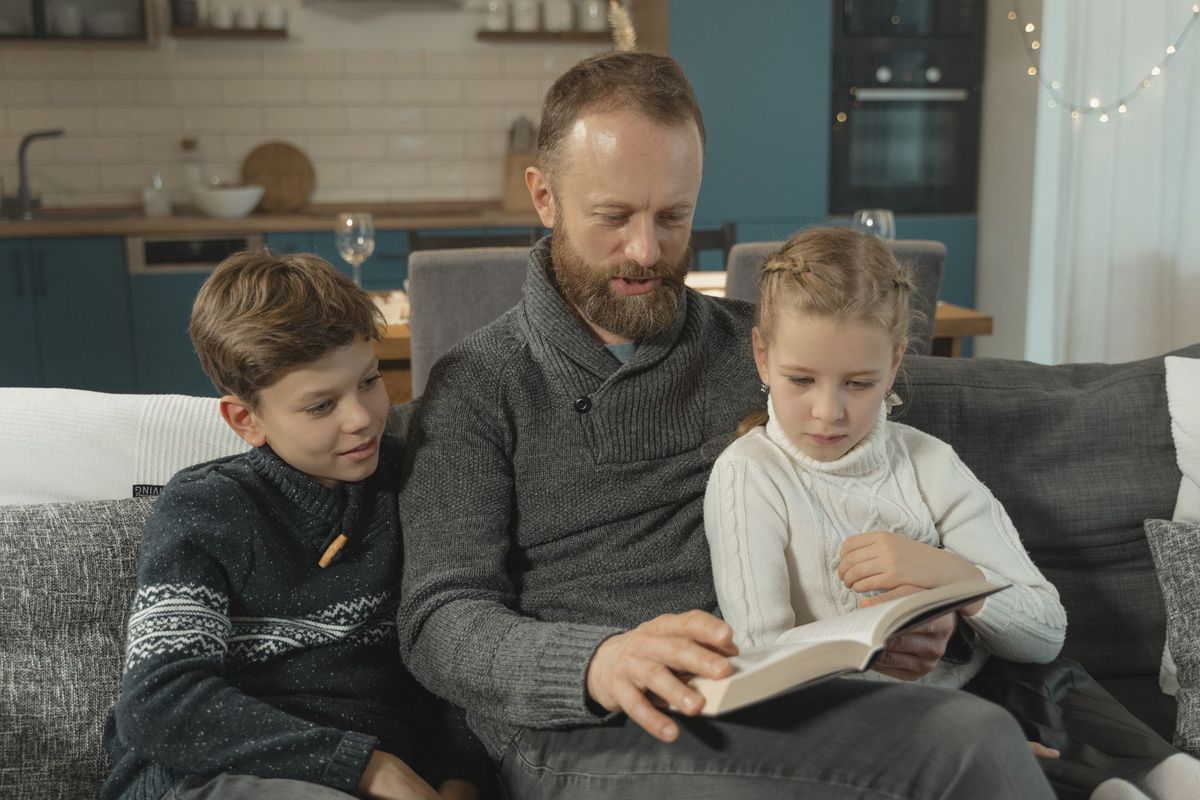
- Read aloud every day. Ten to twenty minutes, often at bedtime. Point at pictures and ask what might happen next.
- Talk a lot. Name things, describe what you are doing, ask questions.
- Letter sounds. Play “I spy” with the first sound of a word.
- Rhymes and songs. They train the ear for the sounds in words.
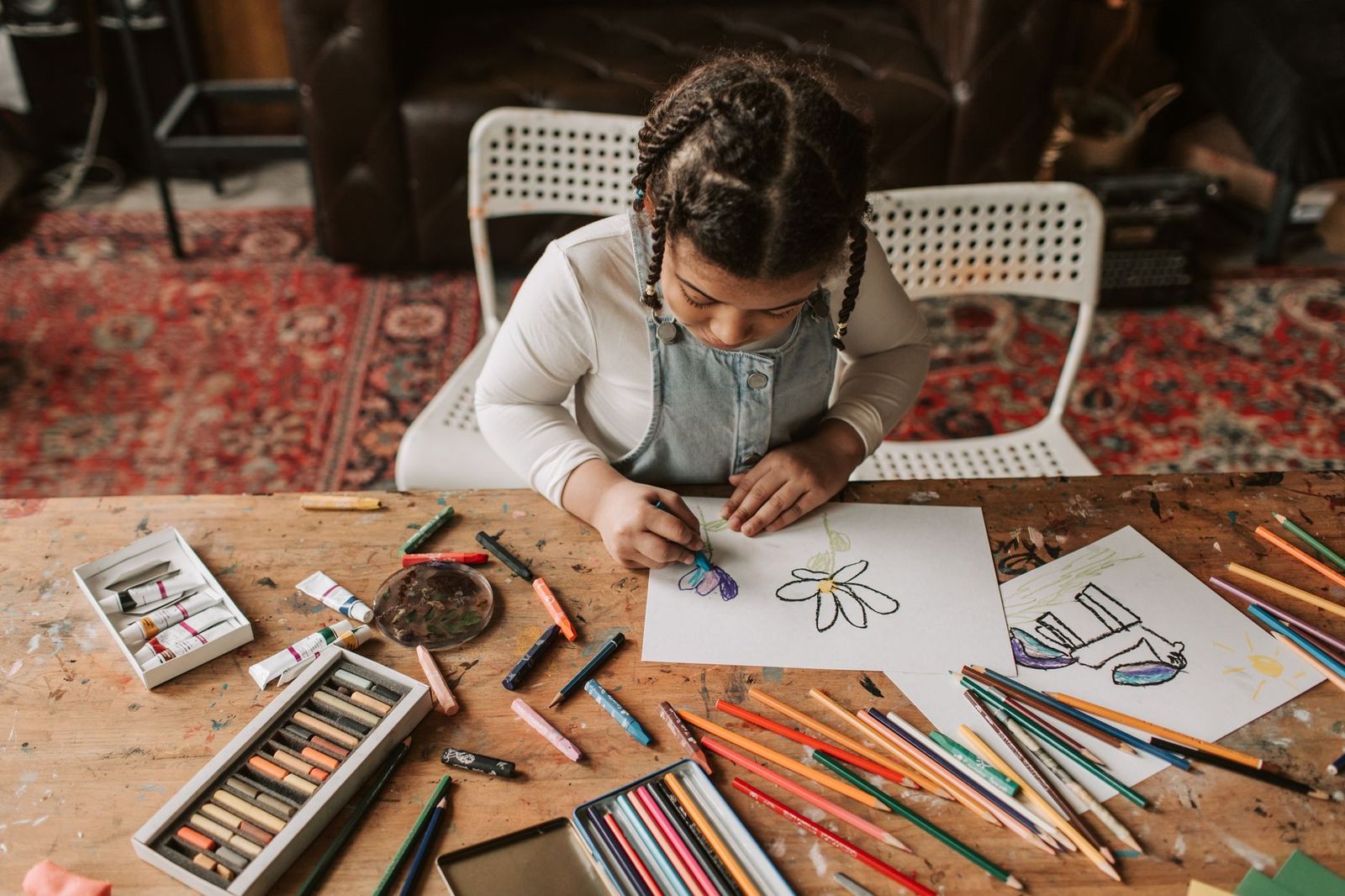
- Drawing and pretend writing. A scribbled shopping list is real writing to a 4-year-old.
- Counting in daily life. Count steps, spoons, dates in a bowl, or cars on the road.
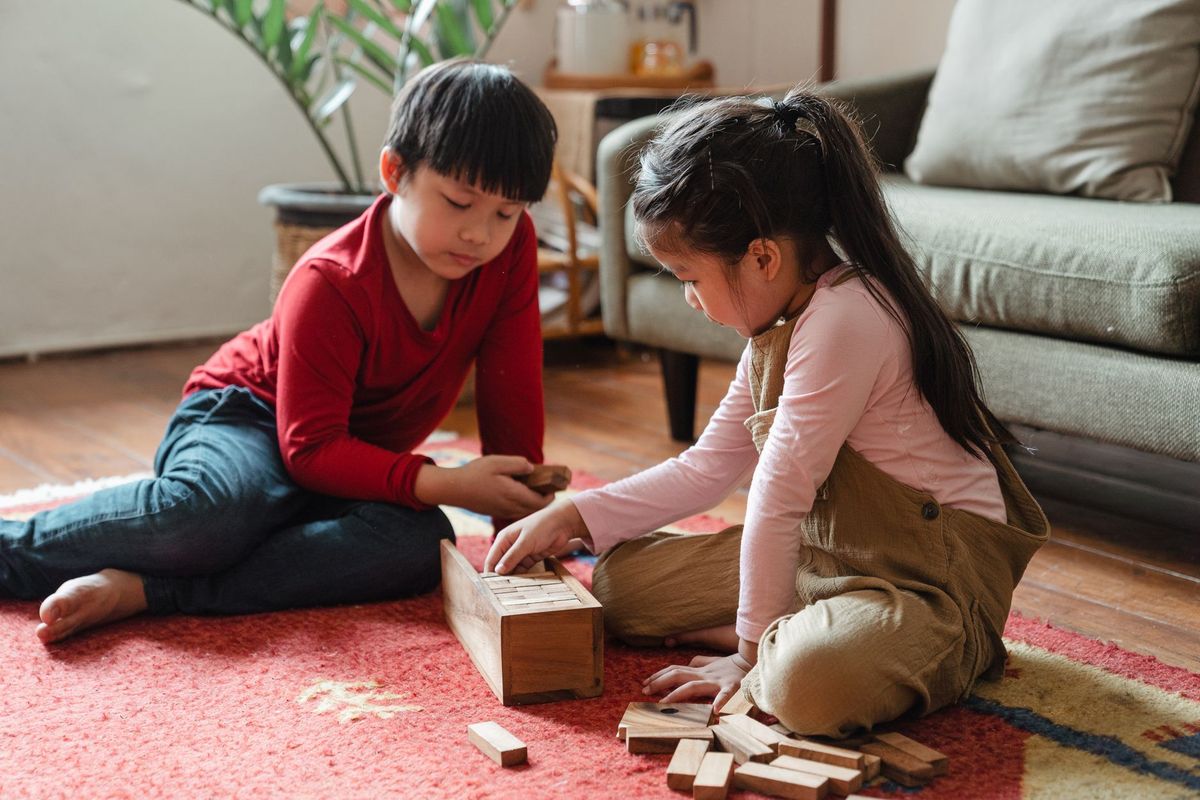
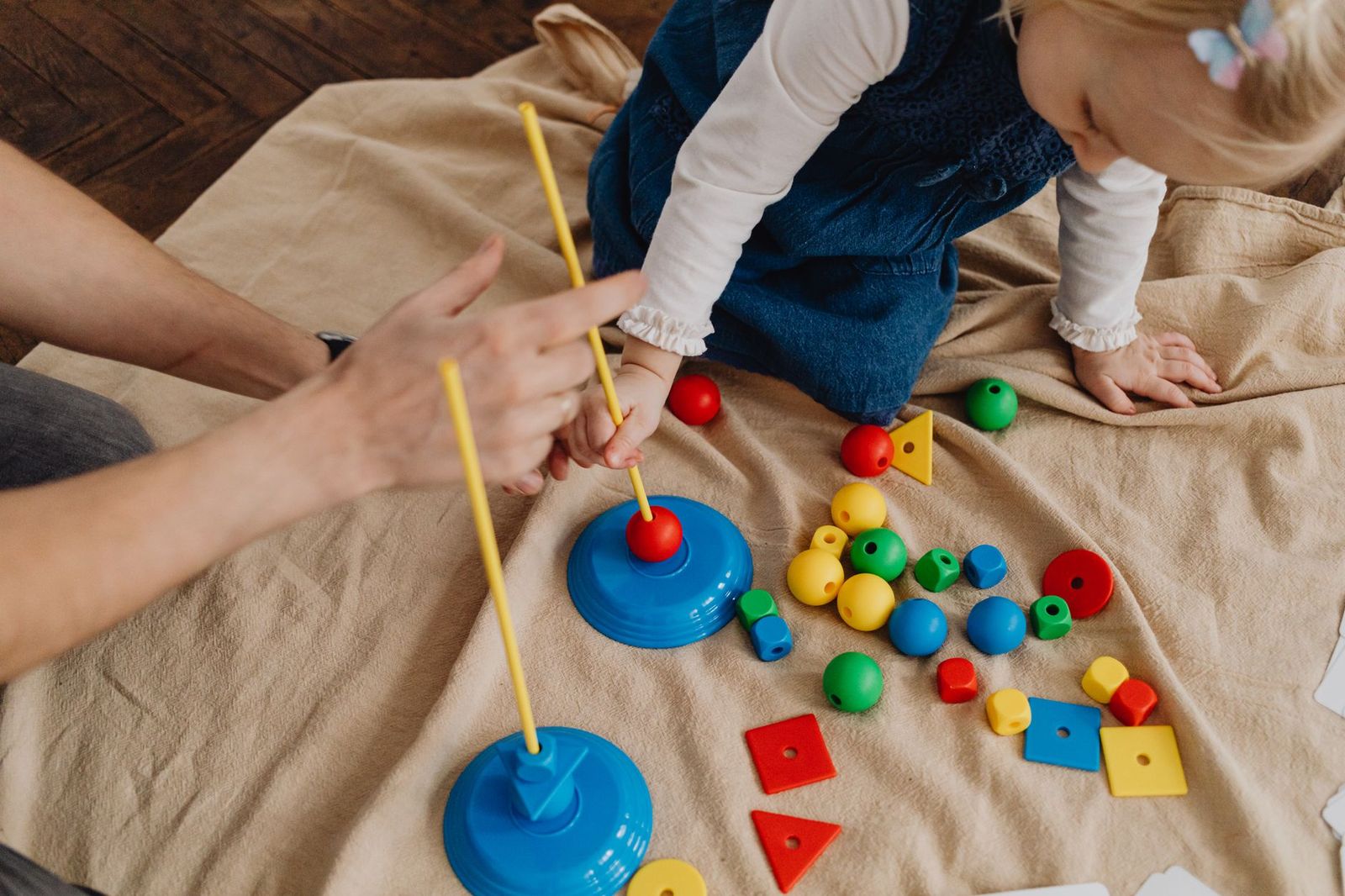
- Sorting and patterns. Sort buttons by color or size. Build simple patterns with blocks.
- Shapes. Find circles and squares around the house.
- Simple measuring. Pour water between cups, or scoop rice in the kitchen.
If your child shows interest in reading or numbers earlier, follow it. If not, there is no race.
A sample week
This is only a pattern to borrow. For example, a family with a 4-year-old might try something like this. Move things around as you like.
| Day | Morning circle (10-15 min) | Learning play (20 min) | Quiet or outdoor time |
|---|---|---|---|
| Monday | Surah, dua, one story | Arabic letter game | Park or garden |
| Tuesday | Surah, dua, rhymes | Counting with objects | Nature walk |
| Wednesday | Surah, dua, one story | Art and drawing | Free play |
| Thursday | Surah, dua, rhymes | Letter sounds and sorting | Park or garden |
| Friday | Surah, dua, a story about kindness | Cooking together | Visit to the masjid or a friend |
| Weekend | Family time | None | Rest, play, outings |
Notice how much is play. That is not a gap in the plan. It is the plan.
If you want to turn this into a timetable, our schedule builder helps you place the day around prayer times. For ideas of what a full day can look like at older ages, see our daily routine guide.
What a morning could look like
- Breakfast, saying “Bismillah” together.
- Morning circle: salam, the surah of the week, a dua, one short story.
- Movement: stretching, a walk, or a game outside.
- Learning play: one letter, one number activity, or an art task.
- Free play while you do chores, with your child “helping.”
- Lunch and rest.
- Afternoon: outing, visitors, library, or quiet reading.
Signs it is going well
- Your child asks for the story or the surah.
- They imitate prayer movements in play.
- They ask questions, even funny ones.
- They look forward to time with you.
Signs to slow down
- Frequent tears or refusal
- Complaints of boredom that turn into dread
- You feel rushed or anxious
At this age, slowing down is almost always the right answer. Keep the routines that are working, and drop the rest for a while.
Common questions from parents
What about socializing? Children this age enjoy playing with others. Playgroups, park meetups, family visits and masjid programs can all help. Our co-op page has ideas for finding other families.
Do we have to follow a curriculum? No. When you are ready for more structure, see Islamic studies curriculum for kids to compare options.
When do we start formal work? That depends on your child and, where it applies, on local rules. Rules for when schooling is required differ by state, country and region, so check with your local authority. Our guides to homeschooling in the US and the UK will help you start. When your child is ready for more, see elementary ages 5-10.
A short checklist to begin
- Pick one short surah to repeat each morning
- Choose two or three duas to attach to daily moments
- Gather ten good picture books
- Set up a small art and building shelf
- Plan one outing a week
- Choose one manner to practice this week
Start small and keep it warm. The habit of sitting together with the Quran, a story and a conversation is the real foundation you are building.
Common questions
How long should an Islamic homeschool preschool day be?
There is no required length. Many families aim for short stretches of about 20 minutes or less, adding up to an hour or two of guided activity, with the rest of the day for play, meals, rest and outings. Treat this as a suggestion, and follow your child's mood.
Should a 3-year-old learn Arabic letters?
It can be a pleasant introduction through songs, tracing in sand and matching games. Keep it light. Hearing the letter sounds and seeing the shapes is enough at this age. Do not expect writing yet.
Do I need a curriculum for preschool?
Not necessarily. A shelf of picture books, a few puzzles, art supplies and a short Quran and dua routine cover a lot. If you want a structure, see our curriculum guides and pick what fits your family.
Is it too early to start teaching a young child surahs?
Many families begin by simply letting children hear short surahs recited often, then repeat them together. Pressure is not needed. Short, repeated, happy practice works better than long sessions.